
- Why a Free Expense Tracker Makes Budgeting Easier
- Key Features to Look for in a Free Expense App
- 1. Simple Expense Entry
- 2. Smart Categories
- 3. Budget Limits
- 4. Visual Reports
- 5. Recurring Expense Tracking
- How a Free Spending Tracker Improves Financial Awareness
- Who Should Use an Expense Tracker Free Tool?
- Students
- Families
- Freelancers and Gig Workers
- Young Professionals
- Anyone Saving for a Goal
- Tips to Get the Most Out of a Free Expense Tracker
- Track Every Expense
- Review Your Spending Weekly
- Set Realistic Limits
- Use Categories That Fit Your Life
- Adjust as Needed
- The Long-Term Value of Building This Habit
- Final Thoughts on Choosing the Right Budgeting Tool
Free expense tracker tools have become one of the easiest ways to take control of personal finances without adding stress to your routine. Instead of guessing where your money went at the end of the month, you can track purchases, organize bills, and understand spending habits in real time. For students, families, freelancers, and working professionals alike, a simple budgeting app can make money management feel less overwhelming and far more effective.
Managing money is often not about earning more right away. In many cases, it starts with knowing exactly how much you spend, where you spend it, and what patterns are holding you back. That is why a smart digital tracker matters. It turns everyday spending into useful data, helping you make better decisions without relying on memory or messy spreadsheets.
Why a Free Expense Tracker Makes Budgeting Easier
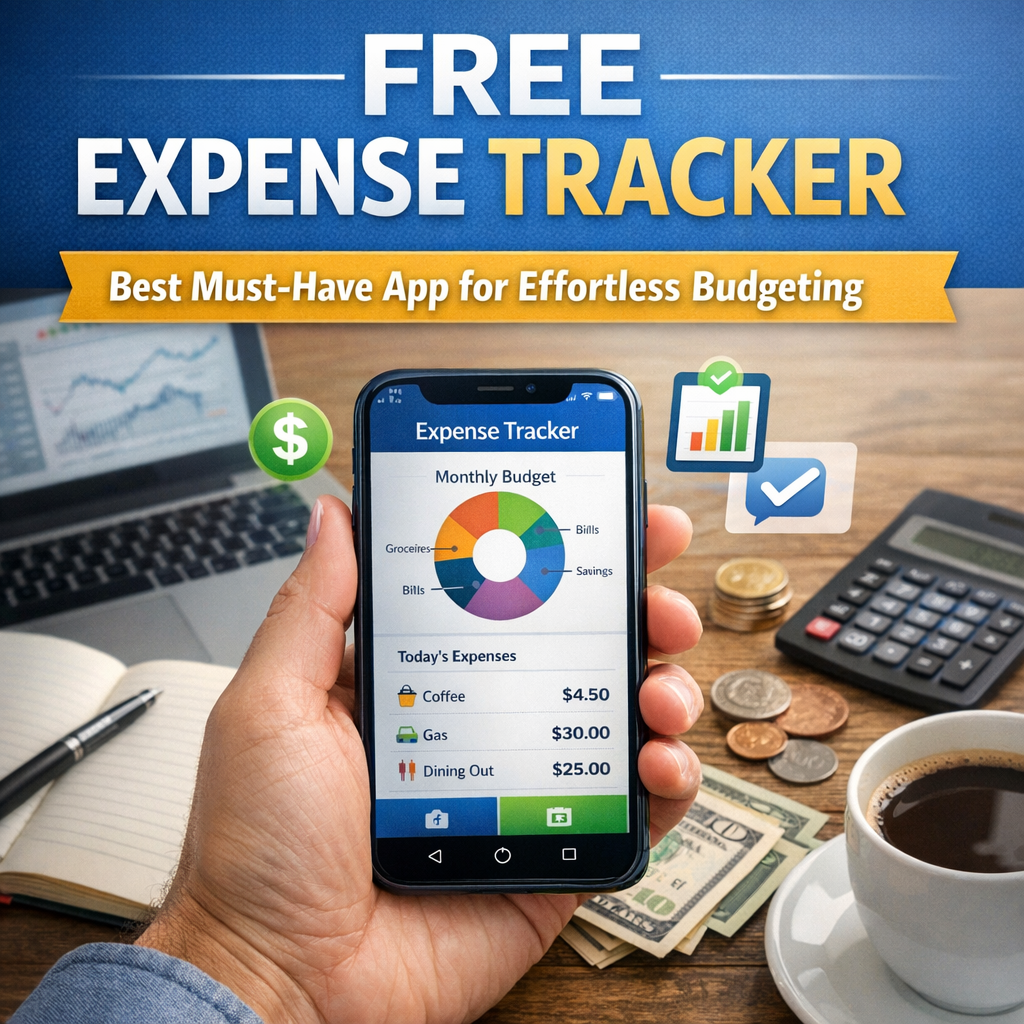
Budgeting fails for many people because it feels too complicated. Traditional methods often involve notebooks, manual calculations, or a spreadsheet that gets abandoned after a week. A free expense tracker removes that friction by automating the process and keeping everything in one place.
With the right app, you can:
– Log expenses in seconds
– Categorize spending automatically
– Set monthly or weekly budgets
– Track bills and recurring payments
– Monitor progress toward savings goals
– Review reports that show where your money goes
The biggest advantage is convenience. Since most people carry a phone everywhere, it becomes easy to record spending immediately. That simple habit can prevent small expenses from slipping through the cracks and quietly draining your budget.
Key Features to Look for in a Free Expense App
Not all budgeting tools are built the same. Some are designed for basic tracking, while others include advanced features like analytics, reminders, and account syncing. Choosing a free expense app depends on your needs, but a few features are especially useful for most users.
1. Simple Expense Entry
If an app is hard to use, you will stop using it. Look for a clean interface that lets you add purchases quickly. The best tools make it easy to record the amount, category, date, and note in just a few taps.
2. Smart Categories
Food, transport, rent, shopping, subscriptions, and entertainment are common categories, but customizable options are even better. Personal categories help you see the real picture of your finances.
3. Budget Limits
A strong tracker should allow you to set spending caps by category. For example, you can create a dining-out limit or a monthly entertainment budget and receive alerts when you get close.
4. Visual Reports
Charts and summaries help you understand trends faster than a long list of transactions. Weekly and monthly reports can highlight overspending and show improvement over time.
5. Recurring Expense Tracking
Bills often repeat every month. A good app should let you log recurring expenses such as rent, insurance, internet, loan payments, and subscriptions so they are not forgotten.
How a Free Spending Tracker Improves Financial Awareness
One of the most powerful benefits of using a free spending tracker is awareness. Many people underestimate how much they spend on small, frequent purchases. A coffee here, a delivery fee there, and an impulse buy online may not seem significant in the moment, but together they can add up quickly.
Tracking daily expenses gives you clarity. You begin to notice patterns like:
– Overspending on takeout
– Paying for subscriptions you rarely use
– Shopping more during weekends
– Spending more after payday
– Ignoring small charges that build up over time
Once you can see these habits clearly, changing them becomes much easier. Financial improvement is rarely about perfection. It is about noticing the habits that matter and adjusting them consistently.
Who Should Use an Expense Tracker Free Tool?
An expense tracker free tool is useful for almost everyone, not just people who are struggling with money. In fact, it works best as a preventive habit rather than a last-minute fix.
Here are a few groups that benefit the most:
Students
Students often balance tuition, books, rent, food, and transportation with limited income. Tracking expenses can help prevent running out of money before the month ends.
Families
Household budgets include groceries, school costs, utilities, healthcare, and entertainment. A tracker helps families plan better and reduce unnecessary spending.
Freelancers and Gig Workers
People with irregular income need more flexibility in budgeting. An app can help track both personal expenses and recurring business-related costs.
Young Professionals
When income starts to grow, so can lifestyle spending. A tracker keeps financial goals in focus and helps build better saving habits early.
Anyone Saving for a Goal
Whether the goal is a vacation, emergency fund, car, or home deposit, tracking spending helps free up money intentionally.
Tips to Get the Most Out of a Free Expense Tracker
Downloading an app is only the first step. To see real results, use it consistently and make it part of your daily routine.
Track Every Expense
Even small purchases matter. Logging every transaction gives you a more accurate view of your money and prevents hidden leaks in your budget.
Review Your Spending Weekly
A quick weekly review helps you stay aware of your progress. You do not need hours of analysis—just 10 minutes to check where your money is going.
Set Realistic Limits
If your budget is too strict, it may not last. Set practical spending goals that match your lifestyle while still helping you improve.
Use Categories That Fit Your Life
Generic categories are helpful, but personalized ones can be even better. If you spend regularly on pets, fitness, commuting, or child care, create categories that reflect your real needs.
Adjust as Needed
Budgeting is not static. Your expenses change with seasons, income, and life events. A good tracker helps you adapt instead of starting over.
The Long-Term Value of Building This Habit
Using a free expense tracker does more than organize your transactions. It builds discipline, confidence, and awareness around money. Over time, that can lead to stronger savings, fewer financial surprises, and better decision-making.
Instead of wondering why your balance feels lower than expected, you gain a clear explanation. Instead of feeling guilty about spending, you can make informed choices. That shift in mindset is what makes budgeting sustainable.
Financial control does not require complicated systems or paid software. Sometimes the most effective solution is simply a tool that helps you stay consistent. A free spending tracker or free expense app can provide that support without creating extra cost, making it an accessible option for anyone ready to manage money more intentionally.
Final Thoughts on Choosing the Right Budgeting Tool
The best budgeting tool is the one you will actually use. A reliable free expense tracker should feel simple, helpful, and motivating rather than restrictive. If it helps you understand your habits, plan ahead, and stay accountable, it is already doing its job well.
Whether you are trying to reduce unnecessary spending, prepare for future goals, or just become more mindful of your finances, starting with an expense tracker free solution is a smart move. Small actions repeated daily can lead to meaningful financial progress, and the right app can make that journey much easier.