
- Why an Expense Calculator Matters
- How a Monthly Expense Calculator Helps With Better Budgeting
- Key Features to Look for in an Expense Planning Tool
- 1. Simple Expense Categories
- 2. Automatic Totals
- 3. Income vs. Expense Comparison
- 4. Custom Entries
- 5. Monthly Review Capability
- The Real Benefits of Using a Cost Calculator Every Month
- Better Awareness
- Easier Goal Setting
- Less Overspending
- Improved Financial Confidence
- Faster Decision-Making
- How to Use an Expense Calculator Effectively
- Common Mistakes to Avoid
- Who Should Use an Expense Calculator?
- Final Thoughts
Expense Calculator: Must-Have Tool for Effortless Monthly Planning
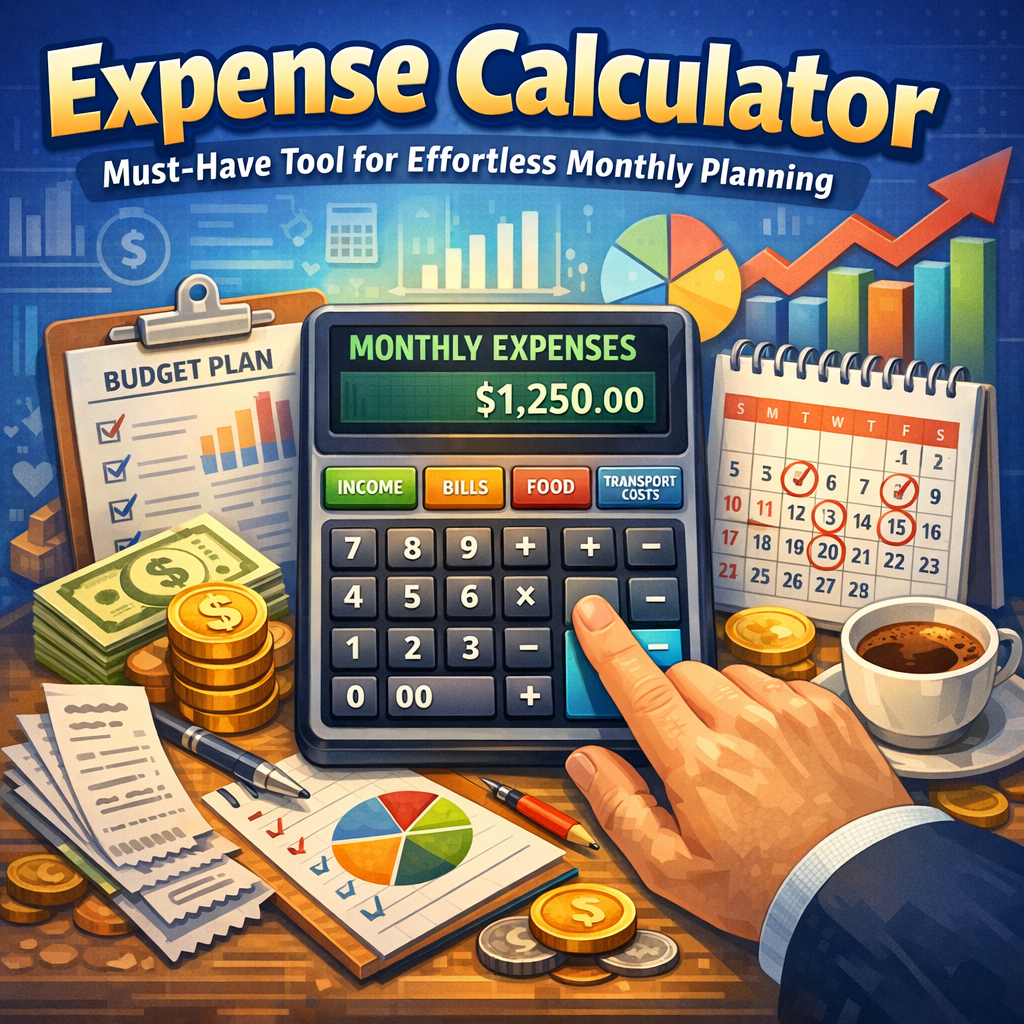
Expense calculator tools have become essential for anyone who wants better control over their money without turning budgeting into a stressful chore. Whether you are managing household bills, tracking personal spending, or preparing for upcoming financial goals, a simple calculator can help you understand where your income goes each month. Instead of guessing, you get a clearer picture of your spending habits and can make smarter, more confident decisions.
Why an Expense Calculator Matters
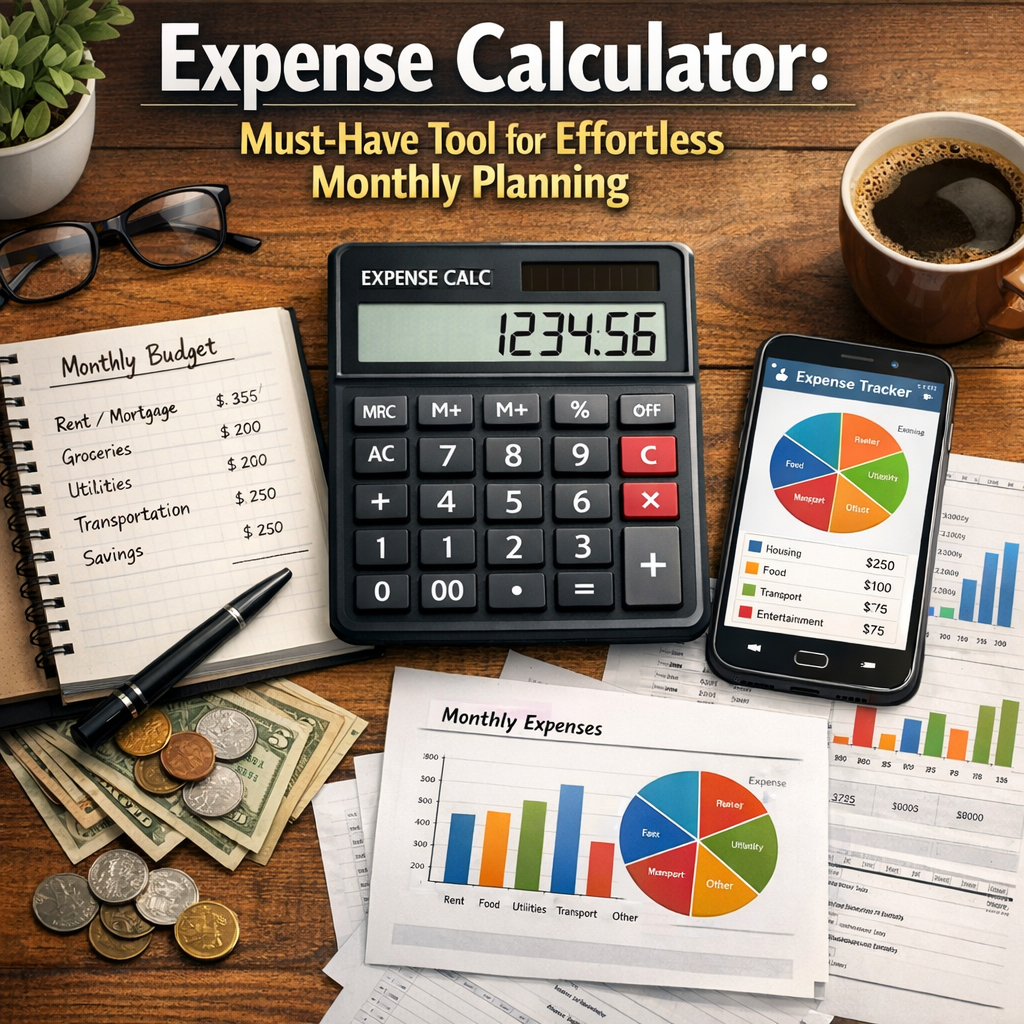
Many people know they should budget, but they often avoid it because it feels complicated or time-consuming. That is where an expense planning tool makes a difference. It simplifies the process by helping you organize your financial information in one place and calculate totals quickly.
When you use an expense calculator regularly, you can:
– Track fixed and variable expenses
– Compare income against spending
– Identify areas where you may be overspending
– Plan ahead for savings and emergencies
– Reduce financial stress through better visibility
A budget is much easier to follow when the numbers are clear. Instead of relying on rough estimates, you can see exactly how much you spend on housing, groceries, transportation, subscriptions, insurance, entertainment, and other monthly costs.
How a Monthly Expense Calculator Helps With Better Budgeting
A monthly expense calculator is especially useful because monthly planning is the foundation of personal finance. Most bills and recurring expenses happen every month, so having a tool built around that cycle makes budgeting more practical and realistic.
With a monthly expense calculator, you can enter:
– Rent or mortgage payments
– Utility bills
– Internet and phone costs
– Grocery spending
– Transportation expenses
– Loan or credit card payments
– Childcare or education costs
– Health-related expenses
– Entertainment and dining out
– Savings contributions
Once these numbers are added together, you can immediately see how much of your income is already committed. This helps you avoid the common mistake of thinking you have more disposable income than you actually do.
For example, if your income looks comfortable on paper but your total monthly obligations leave very little room for savings, the calculator reveals that gap quickly. That insight allows you to adjust before financial pressure builds.
Key Features to Look for in an Expense Planning Tool
Not all budgeting tools are equally useful. A good expense planning tool should be easy to use, clear to read, and flexible enough to match different financial situations. Whether you are budgeting for one person, a family, or a side business, the tool should support your specific needs.
Here are some features that make a strong tool:
1. Simple Expense Categories
Organized categories help you break spending into manageable sections. This gives you a better understanding of where your money goes each month.
2. Automatic Totals
A built-in cost calculator saves time and reduces errors by instantly adding your entries and showing the total.
3. Income vs. Expense Comparison
One of the most valuable features is the ability to compare how much you earn with how much you spend. This highlights whether you are living within your means.
4. Custom Entries
A flexible tool should let you add personal categories, such as pet care, streaming services, or special savings goals.
5. Monthly Review Capability
The best tools help you review past months so you can spot patterns and improve over time.
The Real Benefits of Using a Cost Calculator Every Month
A cost calculator is more than just a place to enter numbers. It supports better habits and more thoughtful financial choices. The more consistently you use it, the more valuable it becomes.
Some of the biggest benefits include:
Better Awareness
Many people underestimate how much they spend on small, regular purchases. A calculator makes those costs visible.
Easier Goal Setting
If you want to save for travel, pay down debt, or build an emergency fund, you need to know how much money is available. Accurate expense tracking makes those goals more achievable.
Less Overspending
When you can clearly see your monthly commitments, it becomes easier to limit unnecessary purchases.
Improved Financial Confidence
Money often feels overwhelming when it is disorganized. A calculator creates structure, and structure leads to confidence.
Faster Decision-Making
Thinking about taking on a new subscription, car payment, or loan? A calculator helps you see whether it fits your budget before you commit.
How to Use an Expense Calculator Effectively
Having a tool is helpful, but using it correctly is what creates results. To get the most value from your expense calculator, start with a realistic and complete list of your spending.
Here is a simple approach:
1. List your monthly income
Include salary, freelance income, side hustle earnings, or any other regular sources.
2. Add fixed expenses
These are costs that stay mostly the same, such as rent, insurance, and loan payments.
3. Estimate variable expenses
Include groceries, transportation, dining out, shopping, and utilities.
4. Include savings and debt payments
Treat savings like a priority, not an afterthought.
5. Review the final total
Compare it with your income to see how much is left, or whether adjustments are needed.
6. Update it monthly
Your spending changes over time, so your numbers should too.
Consistency is what turns a basic calculator into a meaningful financial guide.
Common Mistakes to Avoid
Even the best monthly expense calculator will not help much if important details are missing. A few common mistakes can throw off your budget and reduce the tool’s accuracy.
Avoid these issues:
– Forgetting irregular expenses like annual memberships or seasonal costs
– Underestimating spending on food, fuel, or entertainment
– Ignoring debt interest or repayment changes
– Failing to update the calculator after income or bill changes
– Leaving out savings goals
A realistic budget should include both essentials and lifestyle spending. If your plan is too strict, it may be harder to maintain.
Who Should Use an Expense Calculator?
The short answer is: almost everyone. An expense calculator is useful for:
– Students managing limited income
– Young professionals building their first budget
– Families balancing household expenses
– Freelancers with variable earnings
– Anyone trying to reduce debt or increase savings
You do not need to be a financial expert to benefit from structured planning. In fact, people with simple financial goals often gain the most because the process gives them clarity right away.
Final Thoughts
Monthly financial planning does not have to be difficult. With the help of an expense calculator, you can turn a scattered view of your spending into a clear, practical budget. A reliable monthly expense calculator or cost calculator makes it easier to stay organized, prepare for bills, and make room for savings without feeling overwhelmed.
The biggest advantage is not just better math. It is peace of mind. When you know where your money is going, you gain more control over your choices and more confidence in your future. A smart expense planning tool can be the first step toward stronger financial habits and a more balanced monthly routine.