
- Why a Budget Planner App Matters
- Features to Look for in a Monthly Budget Planner
- 1. Simple Dashboard
- 2. Expense Categorization
- 3. Goal Tracking
- 4. Bill Reminders
- 5. Reports and Insights
- 6. Affordable Pricing
- How a Personal Budget Planner Improves Daily Financial Habits
- Benefits of Using a Budget Planning App Instead of Spreadsheets
- Automation Saves Time
- Mobile Access Increases Consistency
- Better Visibility
- Encouragement and Accountability
- Choosing the Right Budget Planner App for Your Needs
- Tips for Getting the Most Out of a Monthly Budget Planner
- Set Realistic Categories
- Review Weekly
- Include Savings as a Regular Expense
- Track Small Purchases
- Adjust as Needed
- Final Thoughts
Budget Planner App: Must-Have Affordable Monthly Budget Planner
budget planner app tools have become one of the easiest ways to take control of spending, reduce financial stress, and build better money habits without needing complicated spreadsheets. Whether you are trying to manage bills, save for a goal, or simply understand where your paycheck goes each month, the right app can make budgeting feel less overwhelming and far more practical.
Today, more people are looking for simple and affordable ways to stay organized financially. A digital budgeting solution offers convenience, automation, and real-time insights that traditional paper methods often cannot match. From tracking daily expenses to planning ahead for rent, groceries, debt payments, and savings, a smart budgeting tool can support better decisions every step of the way.
Why a Budget Planner App Matters
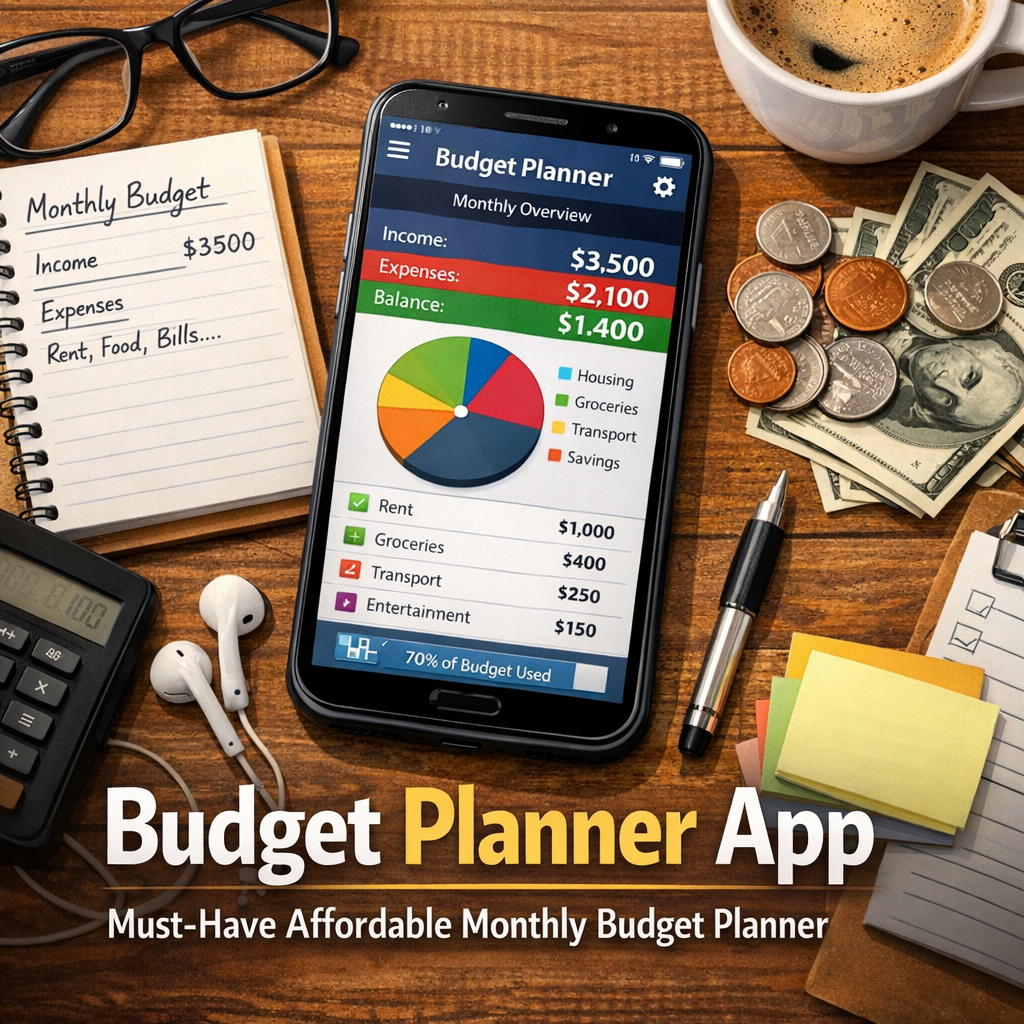
Money management is not just about cutting back. It is about understanding your financial habits and creating a plan that fits your lifestyle. A good budget planner app helps you do exactly that by turning income and expenses into a clear monthly picture.
Instead of guessing how much you have left to spend, you can see it instantly. Instead of forgetting a due date, you can receive reminders. Instead of manually sorting purchases, many apps automatically categorize transactions for you.
This matters because consistency is often the hardest part of budgeting. When tools are easy to use, people are more likely to stick with them. A budgeting app can help with:
– Tracking income and recurring bills
– Monitoring spending in real time
– Setting savings goals
– Organizing debt repayment
– Avoiding late fees and overdrafts
– Building stronger financial habits over time
For anyone living on a fixed income, managing household expenses, or trying to improve financial discipline, an app can be a practical daily resource.
Features to Look for in a Monthly Budget Planner
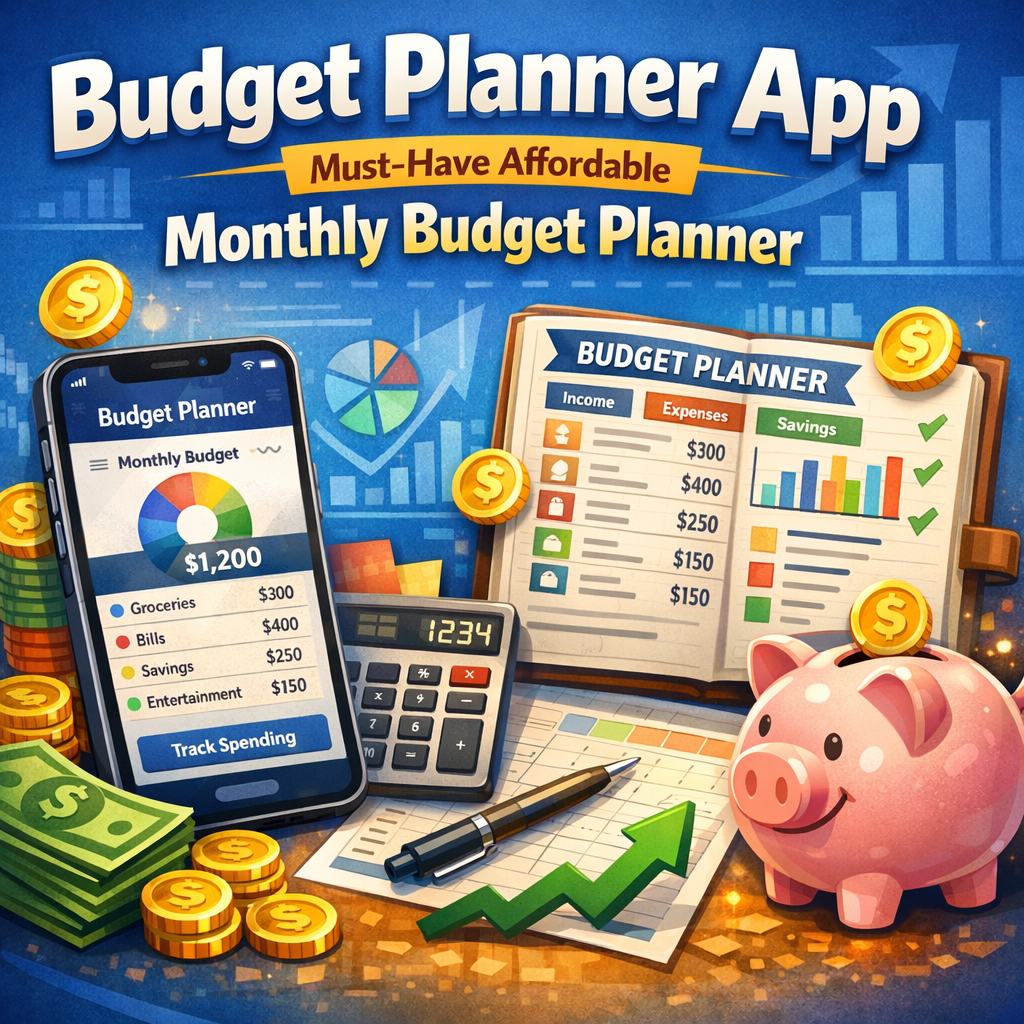
Not every monthly budget planner offers the same experience. Some focus on basic expense tracking, while others include advanced features like goal setting, reports, and bank syncing. Choosing the right one depends on your needs, but a few core features are especially valuable.
1. Simple Dashboard
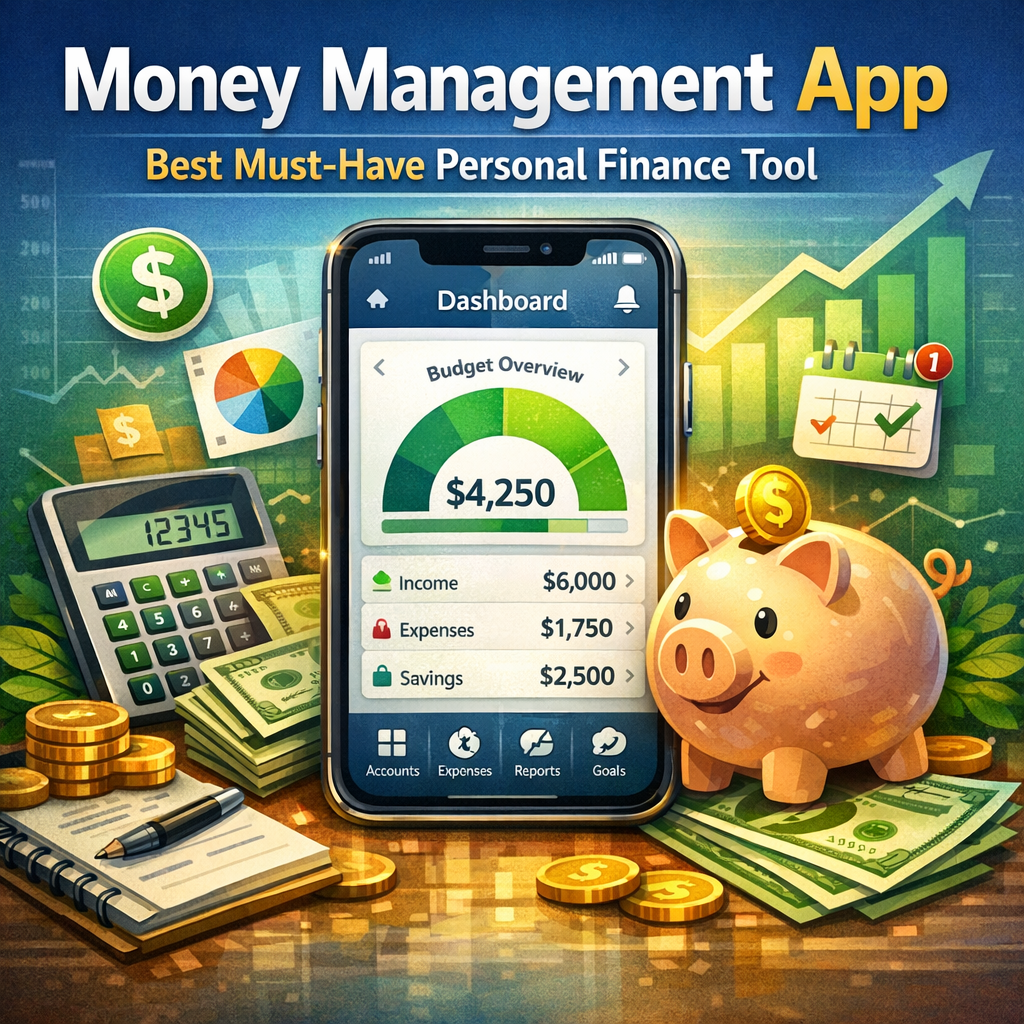
A clean dashboard makes it easy to understand your financial situation at a glance. You should be able to quickly see:
– Monthly income
– Spending by category
– Upcoming bills
– Savings progress
– Remaining balance
If the app feels confusing from the start, it may be harder to use consistently.
2. Expense Categorization
Automatic or customizable categories are essential. Being able to sort spending into areas like food, transport, entertainment, and utilities helps reveal patterns you may not notice otherwise.
3. Goal Tracking
A quality personal budget planner should do more than track what you spend. It should also help you move toward goals, whether that means saving for a vacation, building an emergency fund, or paying off a credit card.
4. Bill Reminders
Late payments can affect your finances quickly. Bill reminders are a small feature with a big impact, especially for users managing multiple due dates each month.
5. Reports and Insights
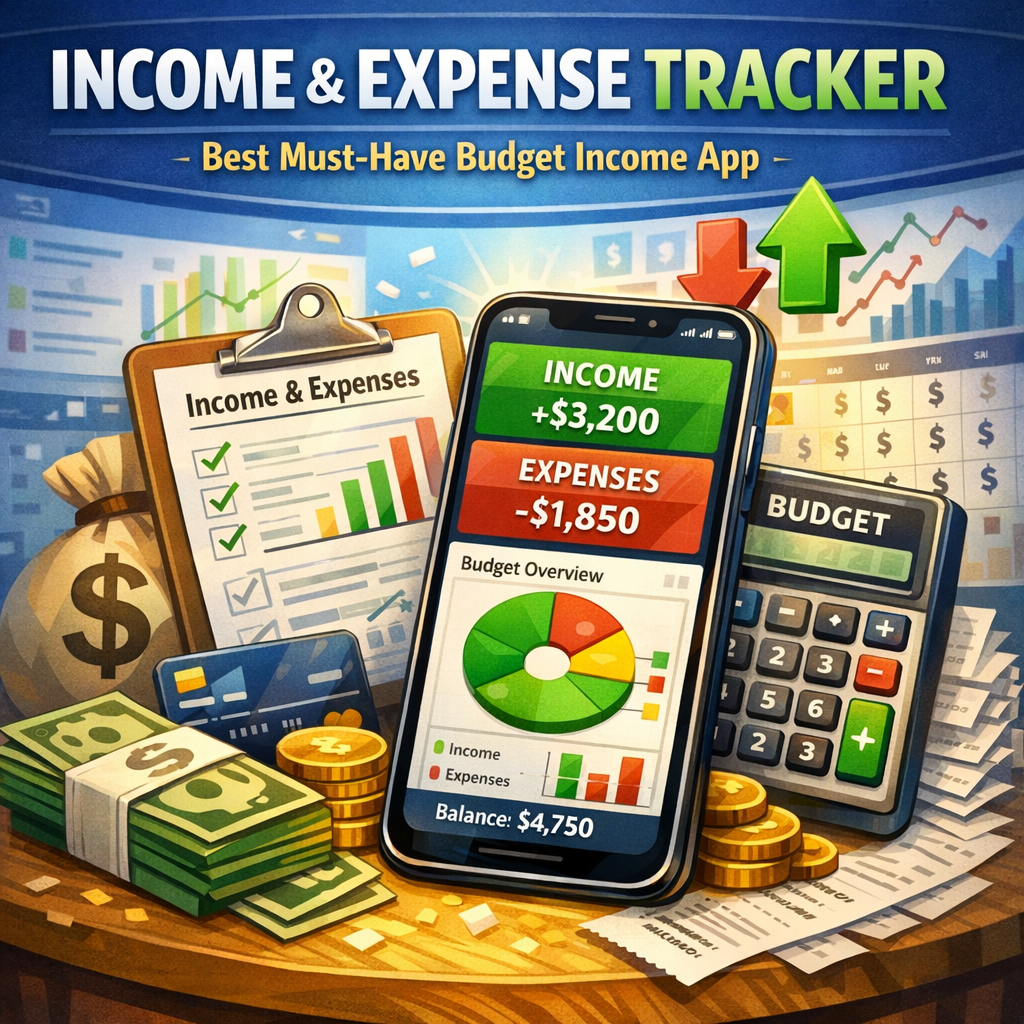
Charts, summaries, and spending trends can help you understand what is working and what needs to change. These visual tools make budgeting less abstract and more actionable.
6. Affordable Pricing
Since the goal is better money management, the app itself should not add financial strain. Many excellent options offer free versions or low-cost premium plans that still deliver strong value.
How a Personal Budget Planner Improves Daily Financial Habits
Budgeting often fails when it feels restrictive or time-consuming. A well-designed personal budget planner changes that by making the process more interactive and manageable.
For example, if you buy coffee several times a week, small purchases may not seem important in the moment. But when an app shows your total monthly spending in that category, it becomes easier to decide whether that habit fits your budget.
The same applies to subscriptions, takeout, impulse shopping, and transportation costs. By seeing clear data, you become more aware of where your money goes. That awareness leads to smarter choices, not necessarily perfect choices.
A personal budgeting app can also create a routine. Checking your finances for a few minutes each day or week builds confidence. Over time, budgeting stops feeling like a stressful task and becomes a regular part of financial self-care.
Benefits of Using a Budget Planning App Instead of Spreadsheets
Spreadsheets still work for many people, but a budget planning app offers several advantages that make budgeting more convenient and accessible.
Automation Saves Time
Many apps can connect to bank accounts, credit cards, and payment services. This reduces manual entry and gives you updated financial information automatically.
Mobile Access Increases Consistency
Since most people always have their phone nearby, using an app makes it easier to check balances, record purchases, and adjust spending plans on the go.
Better Visibility
Spreadsheets can become cluttered or intimidating. Budgeting apps often present information through graphs, alerts, and summaries that are easier to understand quickly.
Encouragement and Accountability
Some apps include notifications, progress bars, and goal milestones that help users stay motivated. This can be especially useful for beginners who need positive reinforcement.
Choosing the Right Budget Planner App for Your Needs
The best app is not always the one with the most features. It is the one you will actually use. When comparing options, think about your budgeting style and financial priorities.
Ask yourself:
– Do I want automatic bank syncing or manual tracking?
– Am I focused on paying down debt, saving money, or controlling spending?
– Do I need a household budget or an individual one?
– Is a free version enough for my needs?
– Do I prefer simple tools or more detailed reports?
If you are new to budgeting, start with an app that has a user-friendly layout and essential functions. If you already have strong financial habits, you may benefit from more advanced planning and analysis features.
Also, consider security. Since budgeting apps often handle sensitive financial information, choose a trusted provider with strong privacy protections and secure connections.
Tips for Getting the Most Out of a Monthly Budget Planner
Even the best monthly budget planner works only if you use it consistently. A few simple habits can help you get better results.
Set Realistic Categories
Do not create a budget that is too strict to maintain. Give yourself realistic limits based on your actual lifestyle.
Review Weekly
A quick weekly check-in helps prevent surprises at the end of the month. It also gives you time to adjust before overspending becomes a bigger issue.
Include Savings as a Regular Expense
Treat savings like any other bill. Scheduling it into your monthly budget can make it easier to stay committed.
Track Small Purchases
Small expenses add up quickly. Recording them improves accuracy and helps you understand your true spending patterns.
Adjust as Needed
Budgets are not fixed forever. Income changes, bills shift, and priorities evolve. Your budget should be flexible enough to reflect real life.
Final Thoughts
Managing money does not have to be complicated or expensive. A reliable budget planner app can bring structure, clarity, and confidence to your financial routine while keeping the process simple and affordable. Whether you need a personal budget planner for daily spending, a monthly budget planner for bill management, or a full budget planning app to support long-term goals, the right tool can make a meaningful difference.
The key is to choose one that matches your habits, supports your priorities, and makes budgeting easier to maintain. With the right system in place, better financial decisions become less stressful and much more achievable.