
- The Growing Need to Track Subscriptions
- What Is a Subscription Tracker?
- Benefits of Using a Monthly Subscription Tracker
- 1. Better Budget Awareness
- 2. Fewer Forgotten Renewals
- 3. Smarter Spending Decisions
- 4. Reduced Financial Stress
- Key Features to Look For in a Subscription Tracker
- Automatic Payment Reminders
- Expense Categorization
- Monthly and Yearly Cost Views
- Custom Notes
- Budget Planning Tools
- How a Subscription Budget Helps You Save More
- Best Practices to Track Subscriptions Effectively
- Review Your List Every Month
- Include Free Trials
- Record Both Monthly and Annual Services
- Check for Shared Accounts
- Cancel With Intention
- Why This Tool Matters More Than Ever
- Final Thoughts
Why a Subscription Tracker Is Essential for Modern Budgeting
Subscription tracker tools have become one of the smartest ways to manage personal finances in a world filled with recurring payments. From streaming platforms and fitness apps to software plans and delivery memberships, small monthly charges can quickly pile up without notice. What seems affordable on its own can become a major drain on your bank account when combined with several other services. That is why having a simple system to track subscriptions is no longer optional for many people—it is a practical step toward better budgeting and financial awareness.
The Growing Need to Track Subscriptions
Modern life is built around convenience, and subscriptions are part of that convenience. Instead of making one-time purchases, people now pay recurring fees for entertainment, education, cloud storage, wellness programs, and more. While this model is easy to sign up for, it can be surprisingly difficult to manage over time.
Many users forget free trials before they convert into paid plans. Others continue paying for services they rarely use. In some cases, a person may even be charged twice for similar tools without realizing it. This is where a reliable way to track subscriptions becomes incredibly valuable.
When you can see every recurring expense in one place, you gain a clearer picture of your spending habits. You also make it easier to cancel unnecessary services, adjust payment dates, and stay in control of your finances.
What Is a Subscription Tracker?
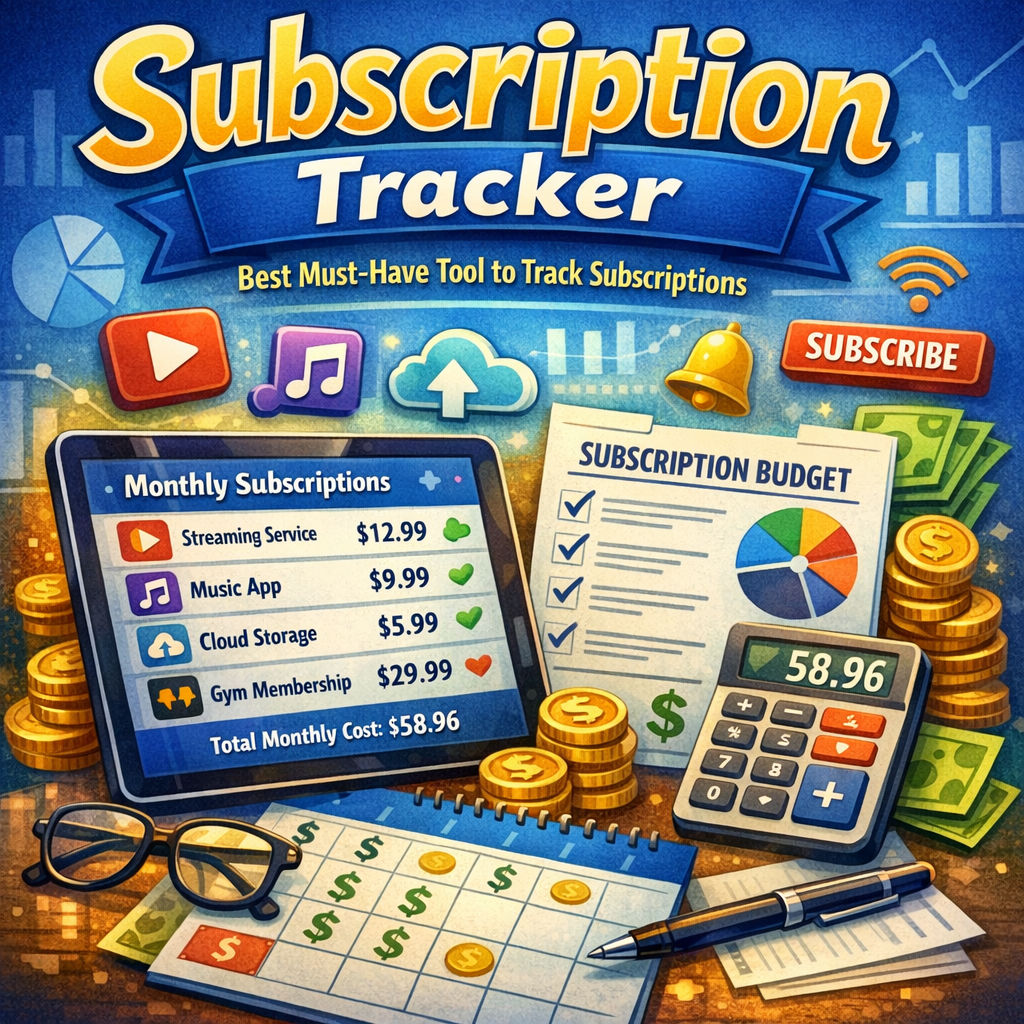
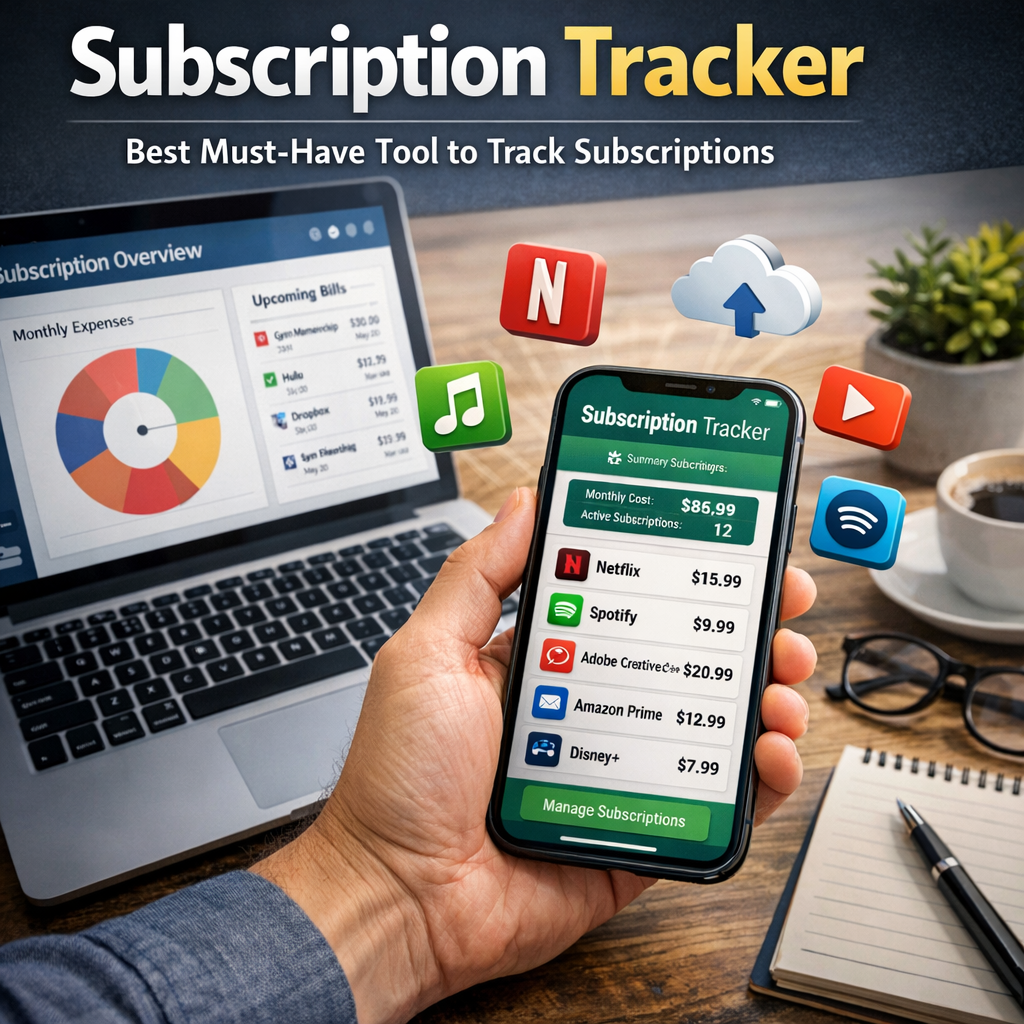
A subscription tracker is a tool designed to monitor recurring payments and organize them in one easy-to-review system. It can be as simple as a spreadsheet or as advanced as a dedicated app with alerts, category filters, and budgeting features.
The main purpose of a subscription tracker is to help you answer a few important questions:
– What subscriptions am I currently paying for?
– How much do they cost each month or year?
– When are payments due?
– Which services do I actually use?
– How do these expenses fit into my overall subscription budget?
By keeping this information updated, you reduce the risk of overspending and avoid unpleasant surprises on your bank statement.
Benefits of Using a Monthly Subscription Tracker
A monthly subscription tracker gives you a regular snapshot of your recurring expenses. Instead of checking your bank account and trying to remember each payment, you can review one organized list that shows what is active and what needs attention.
Here are some of the biggest benefits:
1. Better Budget Awareness
Recurring charges often feel small, but together they can represent a large part of your monthly spending. A tracker makes these costs visible and helps you build a more realistic subscription budget.
2. Fewer Forgotten Renewals
It is easy to forget billing dates, especially for annual plans or free trials. A tracker helps you stay ahead of renewals so you can decide whether to keep, change, or cancel a service before the charge happens.
3. Smarter Spending Decisions
When you review your subscriptions regularly, you can spot patterns. Maybe you are paying for three streaming services but only watching one. Maybe a premium tool no longer fits your current needs. With this insight, you can cut back without feeling deprived.
4. Reduced Financial Stress
Unexpected charges can be frustrating. Knowing exactly what is scheduled each month helps you plan better and feel more in control of your money.
Key Features to Look For in a Subscription Tracker
Not every tool offers the same level of support. If you want something practical and easy to maintain, look for features that match your financial habits and goals.
Automatic Payment Reminders
Reminders are helpful for upcoming renewals, trial endings, and annual billing cycles. They reduce the chances of being charged for something you meant to cancel.
Expense Categorization
Grouping services by category—such as entertainment, work, health, or home—makes it easier to see where your money is going.
Monthly and Yearly Cost Views
Some subscriptions bill monthly, while others charge yearly. A good tool should show both formats so you understand the true cost over time.
Custom Notes
Being able to add notes like login details, cancellation deadlines, or whether a service is shared with family can make your tracker even more useful.
Budget Planning Tools
If the platform helps you set a subscription budget, that is a major advantage. It turns simple tracking into a more powerful money management system.
How a Subscription Budget Helps You Save More
A subscription budget is the spending limit you assign to recurring services. Without this limit, it is easy to keep adding “just one more” app or membership every few weeks. Over time, those small additions create a hidden financial burden.
Using a tracker alongside a subscription budget helps you:
– Set a maximum amount for recurring expenses
– Compare actual spending to your target
– Prioritize subscriptions that bring the most value
– Identify services to cancel or downgrade
– Free up money for savings or other financial goals
For example, if your goal is to keep subscription spending under $100 a month, your tracker can show whether you are staying within that limit. If you are over budget, it becomes easier to review what can go.
Best Practices to Track Subscriptions Effectively
Even the best tool works only if you use it consistently. Here are a few habits that can make your system more effective:
Review Your List Every Month
Take a few minutes each month to update costs, remove canceled services, and add anything new. A monthly review keeps your information accurate.
Include Free Trials
Do not ignore free plans or trial periods. Add them to your monthly subscription tracker right away, including the renewal date, so you can decide before they become paid charges.
Record Both Monthly and Annual Services
Some annual subscriptions seem easy to forget because they charge only once a year. Still, they affect your finances and should be included.
Check for Shared Accounts
If you split costs with family or friends, note your actual share in the tracker. This keeps your budget realistic.
Cancel With Intention
Before canceling, ask whether the service saves time, adds value, or supports a meaningful routine. A tracker is not only about cutting costs—it is about spending intentionally.
Why This Tool Matters More Than Ever
As digital services continue to grow, people are managing more recurring payments than ever before. What used to be a few utility bills has expanded into a long list of personal and professional subscriptions. Without a clear system, these expenses can quietly grow in the background.
A subscription tracker gives structure to that chaos. It helps you track subscriptions with less effort, keep your monthly subscription tracker updated, and build a realistic subscription budget that supports your goals. More importantly, it helps you feel confident about where your money is going.
Final Thoughts
Managing recurring payments should not feel confusing or overwhelming. With the right subscription tracker, you can bring all your memberships, apps, and service plans into one clear view. That visibility makes it easier to spend wisely, avoid waste, and maintain a healthier relationship with your money.
Whether you prefer a digital app, budgeting software, or a simple spreadsheet, the important thing is to start. Once you track subscriptions consistently, you may be surprised by how much clarity—and savings—you gain.