
- Why Every Home Needs a Household Budget Planner
- Key Features to Look for in a Family Budget Planner
- 1. Income Tracking
- 2. Monthly Expense Categories
- 3. Savings Goals
- 4. Bill Payment Scheduling
- 5. Spending Comparison
- How a Home Budget Tracker Helps You Save Effortlessly
- Managing Household Expenses Without Feeling Overwhelmed
- Fixed Expenses
- Variable Expenses
- Simple Steps to Set Up Your Budgeting System
- Step 1: Calculate Total Monthly Income
- Step 2: List All Household Expenses
- Step 3: Identify Financial Goals
- Step 4: Set Spending Limits
- Step 5: Track and Review Weekly
- Digital vs. Paper Planner: Which Is Better?
- Common Budgeting Mistakes to Avoid
- Final Thoughts
Household Budget Planner: Best Must-Have Tool for Effortless Savings
Household budget planner tools can completely change the way families manage money, reduce stress, and build savings without feeling restricted. Instead of wondering where each paycheck went, a well-designed system helps you track income, organize bills, monitor spending habits, and make smarter financial choices every month. Whether you are trying to stay on top of groceries, utilities, rent, or school costs, having a clear plan makes everyday money management far easier.
Many people assume budgeting is complicated or time-consuming. In reality, the right planner simplifies everything. It gives you a full picture of your finances so you can make adjustments before small issues turn into larger money problems. For families, couples, or even individuals managing shared home costs, this kind of structure can be one of the most practical tools for long-term financial stability.
Why Every Home Needs a Household Budget Planner
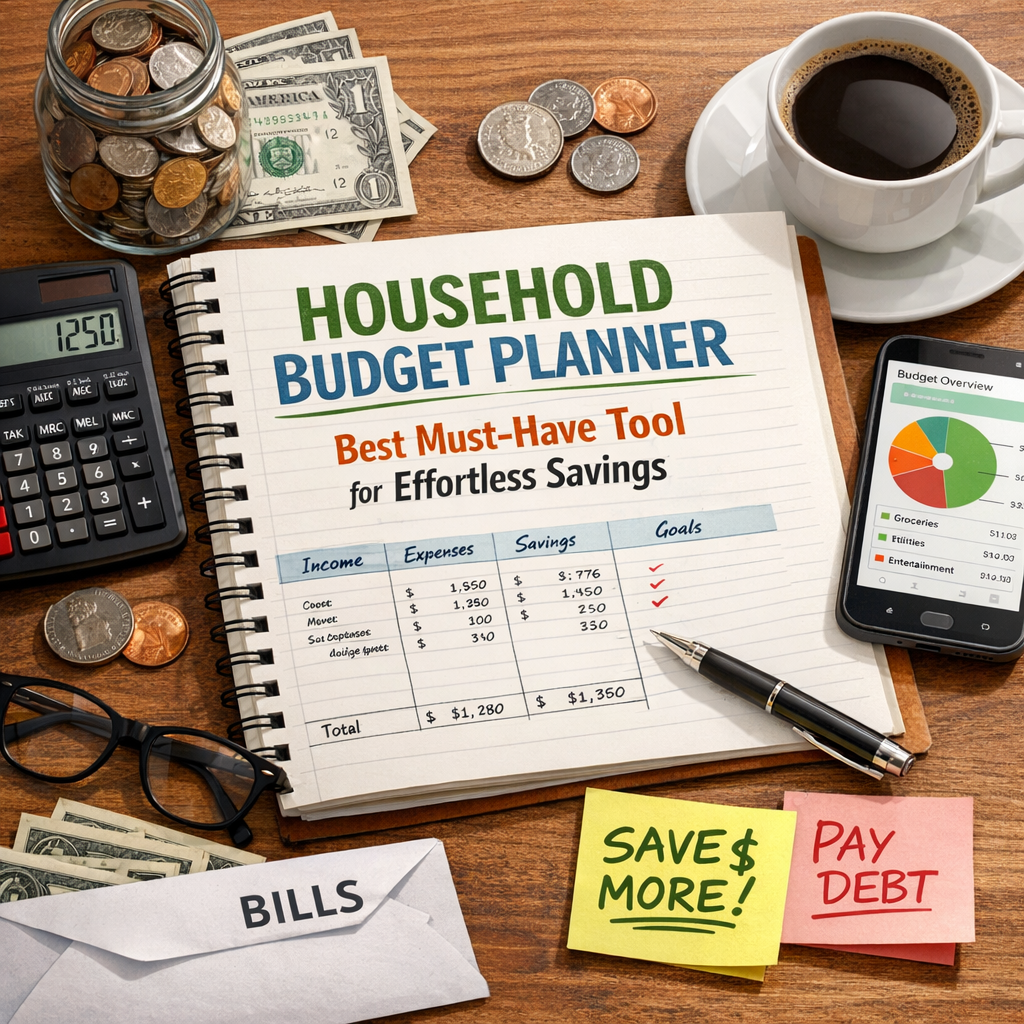
A household budget planner does more than list expenses. It creates awareness. When you can clearly see how much money comes in and where it goes, it becomes easier to spot wasteful spending, set priorities, and work toward specific savings goals.
Without a budgeting system, many households rely on guesswork. That often leads to overspending, missed bills, or the feeling that there is never enough money left at the end of the month. A planner solves this by helping you:
– Track all sources of income
– Record regular and irregular bills
– Monitor household expenses
– Compare planned spending with actual spending
– Set savings targets
– Prepare for emergencies and seasonal costs
This kind of visibility is especially useful for growing families, where monthly spending can shift quickly due to childcare, school needs, medical costs, or changes in household routines.
Key Features to Look for in a Family Budget Planner
Not every budgeting tool works the same way. The best family budget planner should be simple enough to use regularly but detailed enough to give you useful insight into your finances.
Here are the most important features to look for:
1. Income Tracking
Your planner should allow you to record all household income, including salaries, side jobs, child support, freelance work, or other earnings. Knowing your exact monthly income is the foundation of a realistic budget.
2. Monthly Expense Categories
A good planner should separate costs into clear categories such as:
– Housing
– Groceries
– Transportation
– Utilities
– Insurance
– Debt payments
– Entertainment
– School expenses
– Health costs
This makes it much easier to understand where your money is going and which areas may need adjustment.
3. Savings Goals
A useful budgeting tool should not only track spending but also encourage saving. Whether your goal is an emergency fund, holiday budget, family vacation, or home improvement project, a planner helps you assign money with purpose.
4. Bill Payment Scheduling
Late fees can quietly drain your budget. A planner that includes due dates for bills helps you stay organized and avoid unnecessary charges.
5. Spending Comparison
Being able to compare your planned budget to your actual spending is one of the most valuable features in any home budget tracker. This shows whether your estimates are realistic and where your habits may need improvement.
How a Home Budget Tracker Helps You Save Effortlessly
Saving money does not always require extreme lifestyle changes. Often, it starts with awareness and consistency. A home budget tracker helps you notice patterns that might otherwise go unseen.
For example, you may discover that takeout meals, impulse shopping, subscription services, or convenience spending are eating into your savings potential. Small changes in these areas can add up quickly over time.
A tracker also helps you build better habits, such as:
– Setting weekly spending limits
– Reviewing grocery costs before shopping
– Planning meals to reduce waste
– Reducing unnecessary subscriptions
– Putting aside money before spending on extras
When you automate part of the process and check in regularly, saving starts to feel natural rather than difficult. Instead of treating budgeting like punishment, it becomes a way to create more freedom and confidence.
Managing Household Expenses Without Feeling Overwhelmed
One reason people avoid budgeting is that household expenses can feel endless. Between fixed bills and surprise costs, managing everything may seem stressful. The solution is not to track every penny obsessively but to create a system that gives you control.
Start by dividing household expenses into two groups:
Fixed Expenses
These usually stay the same each month, such as:
– Rent or mortgage
– Insurance
– Loan payments
– Internet
– Phone plans
Variable Expenses
These can change from month to month, such as:
– Groceries
– Fuel
– Dining out
– School supplies
– Entertainment
– Electricity or water usage
Once you know the difference, it becomes easier to predict your monthly needs and adjust where necessary. Variable expenses usually offer the most room for savings, while fixed expenses help define your baseline cost of living.
Simple Steps to Set Up Your Budgeting System
Getting started does not need to be complicated. You can build a working budget in just a few steps.
Step 1: Calculate Total Monthly Income
Add up all reliable income sources for the month.
Step 2: List All Household Expenses
Write down every bill, payment, and average spending category. Be honest and include everything, even occasional costs.
Step 3: Identify Financial Goals
Decide what you want your budget to help you achieve. This could be paying off debt, saving for emergencies, or simply ending the month with money left over.
Step 4: Set Spending Limits
Assign realistic amounts to each category. Make sure your total spending stays below your income.
Step 5: Track and Review Weekly
A budget works best when reviewed regularly. Weekly check-ins help you stay aware and make small corrections before overspending happens.
Digital vs. Paper Planner: Which Is Better?
Both options can work well. The best choice depends on your personality and routine.
A digital family budget planner is great for people who want automatic calculations, mobile access, reminders, and easier updates. Apps and spreadsheets are especially helpful for households with many transactions each month.
A paper planner may be better for people who prefer writing things down and want a more hands-on approach. Some families find that physically recording expenses helps them stay more mindful.
The most important thing is not choosing the fanciest tool. It is choosing one you will actually use consistently.
Common Budgeting Mistakes to Avoid
Even the best system can fail if it is unrealistic. Here are a few common mistakes to watch for:
– Forgetting irregular expenses like gifts, repairs, or annual fees
– Setting spending limits that are too strict
– Not reviewing the budget often enough
– Ignoring small daily purchases
– Failing to include savings as a regular category
A budget should support your real life, not an ideal version of it. Flexibility is important, especially for busy households.
Final Thoughts
A reliable budgeting method can bring order to everyday finances and help turn short-term discipline into long-term security. When you use a household budget planner consistently, money decisions become clearer, savings goals feel more achievable, and financial stress becomes easier to manage.
Whether you prefer a digital home budget tracker or a simple written family budget planner, the real value comes from building a habit of paying attention to your money. Once you understand your household expenses and plan for them intentionally, effortless savings becomes much more realistic.