
- Why Budgeting Apps Matter More Than Ever
- What Makes the Best Budgeting App Stand Out?
- 1. Easy-to-Use Dashboard
- 2. Bank Account Syncing
- 3. Custom Budget Categories
- 4. Goal Tracking
- 5. Affordable Pricing
- Best Budgeting App Features for Everyday Use
- Affordable Options Worth Considering
- Goodbudget
- EveryDollar
- PocketGuard
- YNAB
- Free Bank-Based Budget Tools
- How to Choose the Best Personal Finance App for Your Needs
- Common Mistakes to Avoid When Using Budgeting Apps
- Ignoring Small Purchases
- Setting Unrealistic Limits
- Forgetting Irregular Expenses
- Not Reviewing Data Regularly
- Why an Affordable App Can Be a Smart Investment
- Final Thoughts
Best Budgeting App: Must-Have, Affordable Personal Finance Tool
Best budgeting app options can completely change the way you manage money, especially if you want better control without paying a high monthly fee. Instead of tracking expenses in notebooks or switching between bank accounts and spreadsheets, a good app brings everything into one place. It helps you see where your money goes, build smarter habits, and stay on track with savings goals. For students, families, freelancers, and anyone trying to cut overspending, the right tool can make personal finance feel simpler and much less stressful.
Why Budgeting Apps Matter More Than Ever
Managing money used to mean doing everything manually. Today, budgeting apps offer a faster and more realistic way to stay organized. Most people have multiple expenses happening at once: subscriptions, utility bills, food delivery, rent, transportation, and savings targets. Without a system, it is easy to lose track.
That is why more people are looking for the best budget app to help them automate routine tasks. A strong app can:
– Track spending in real time
– Categorize transactions automatically
– Send reminders for bills
– Show spending trends with charts and reports
– Help users set monthly limits
– Support savings and debt payoff goals
Even better, many affordable or free options now offer features that were once only available in expensive financial software.
What Makes the Best Budgeting App Stand Out?
Not all budgeting apps are built the same. Some focus on simple expense tracking, while others are designed for full financial planning. If you are comparing choices, look for features that make daily money management easier rather than more complicated.
1. Easy-to-Use Dashboard
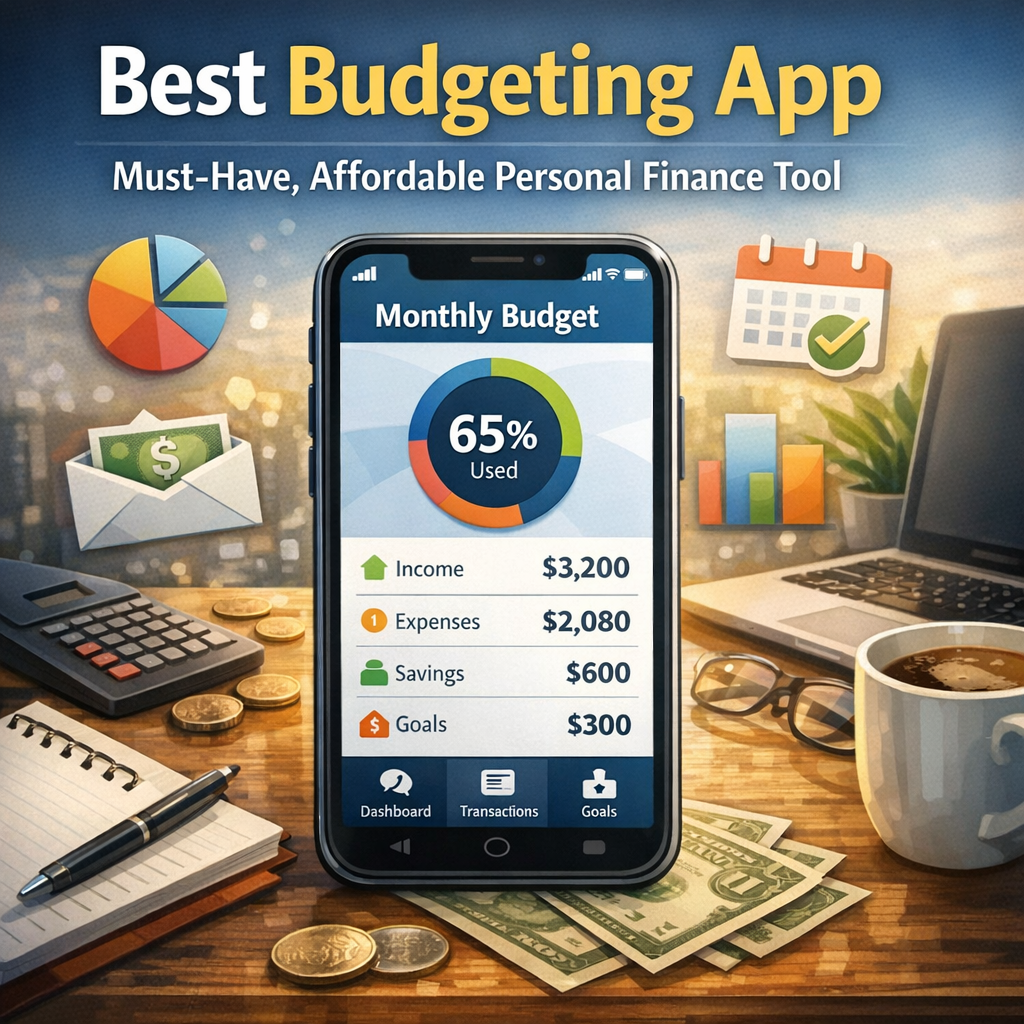
A clean dashboard is one of the biggest signs of a quality app. You should be able to open it and immediately understand your spending, balance, and budget categories.
2. Bank Account Syncing
Many top budgeting apps connect securely to checking accounts, savings accounts, credit cards, and loans. This reduces manual entry and gives you a fuller picture of your finances.
3. Custom Budget Categories
Every person’s spending habits are different. The app should let you create or adjust categories such as groceries, transportation, entertainment, debt payments, and savings.
4. Goal Tracking
A useful app should do more than show what you spent. It should also help you move toward goals like building an emergency fund, saving for a vacation, or paying off credit card debt.
5. Affordable Pricing
Price matters. The best tools are not always the most expensive. An affordable app that you use consistently is often more valuable than a premium platform full of features you never touch.
Best Budgeting App Features for Everyday Use
When people search for the best budgeting app, they usually want something practical, not overwhelming. The most helpful apps tend to focus on a few key functions that improve daily habits.
Here are the features that matter most for everyday users:
– Expense tracking: See purchases as they happen
– Spending alerts: Get notified when you are nearing a budget limit
– Monthly summaries: Review where your money actually went
– Savings tools: Set aside money intentionally
– Shared access: Helpful for couples or families managing one household budget
– Debt monitoring: Stay motivated with payoff progress charts
These features turn budgeting from a once-a-month chore into a regular habit.
Affordable Options Worth Considering
There is no single app that works for everyone, but several popular choices stand out for affordability and usefulness. When comparing tools, think about your financial style and how hands-on you want to be.
Goodbudget
Goodbudget uses a digital envelope budgeting system. It is ideal for people who want a more intentional, hands-on approach. The free version works well for basic budgeting, and the paid version remains relatively affordable.
EveryDollar
EveryDollar is designed around zero-based budgeting, where every dollar is assigned a purpose. It is popular with users who want a simple layout and a focused monthly budgeting process.
PocketGuard
PocketGuard is known for helping users understand how much money is safe to spend after bills, goals, and essentials are covered. It is useful for people who struggle with overspending.
YNAB
YNAB, or You Need a Budget, is often praised for its strong educational approach. It is not the cheapest option, but many users find its system valuable enough to justify the cost, especially if it helps them save more than they spend on the subscription.
Free Bank-Based Budget Tools
Some banks now offer built-in spending insights and simple budgeting features. While they may not be as detailed as dedicated apps, they can be a good starting point for anyone who wants a no-cost solution.
How to Choose the Best Personal Finance App for Your Needs
The best personal finance app depends on your goals, income style, and comfort level with tracking money. Before downloading one, ask yourself a few practical questions:
– Do you want full automation or manual control?
– Are you focused on budgeting, saving, or debt reduction?
– Do you need an app for solo use or shared household planning?
– Are you willing to pay monthly, or do you prefer a free version?
– Do you want detailed reports or just a simple spending snapshot?
If you are new to budgeting, start with something straightforward. Too many advanced features can become distracting. If you already understand your spending habits and want deeper financial planning, a more robust app may be worth it.
Common Mistakes to Avoid When Using Budgeting Apps
Even the best budget app cannot help much if it is used inconsistently. A lot of users download an app, connect accounts, and then stop checking it after a week or two. To get real value, avoid these common mistakes:
Ignoring Small Purchases
Coffee runs, convenience store snacks, and impulse online orders may seem minor, but they add up quickly. Make sure your app captures the full picture.
Setting Unrealistic Limits
A budget should challenge you, not punish you. If you set spending limits that are too strict, you are more likely to give up.
Forgetting Irregular Expenses
Annual subscriptions, car maintenance, holiday shopping, and medical costs can throw off a monthly budget. Build them into your plan early.
Not Reviewing Data Regularly
Budgeting apps work best when you review your numbers often. Even 5 to 10 minutes a few times a week can make a difference.
Why an Affordable App Can Be a Smart Investment
Some people avoid paid apps because they want to save money, which makes sense. But an affordable budgeting app can actually pay for itself if it helps you reduce overspending, avoid late fees, or stay consistent with savings goals.
Think of it this way: if an app costs a small monthly fee but helps you cut impulse spending by even a modest amount, it may be worth far more than the subscription price. The real value comes from better decisions, not just better data.
Final Thoughts
A budgeting app is not just a digital ledger. It is a practical tool that helps you understand your habits, stay organized, and make smarter financial choices over time. Whether you prefer a free option or a low-cost premium service, the goal is to find something you will actually use.
The right app should feel simple, helpful, and aligned with your needs. With so many strong budgeting apps available today, there has never been a better time to build a system that supports your money goals without stretching your budget.