
- Why a Monthly Budget Template Matters
- What Makes a Good Personal Budget Plan
- 1. Monthly Income
- 2. Fixed Expenses
- 3. Variable Expenses
- 4. Savings and Financial Goals
- 5. Extra or Unexpected Costs
- How to Build a Monthly Spending Plan That Works
- Step 1: Calculate Your Total Monthly Income
- Step 2: List Your Essential Expenses
- Step 3: Add Flexible Spending Categories
- Step 4: Assign Money to Savings
- Step 5: Compare Income to Total Planned Spending
- Step 6: Review Weekly
- Must-Have Sections in a Monthly Budget Template
- Common Budgeting Mistakes to Avoid
- Forgetting irregular expenses
- Setting unrealistic limits
- Not tracking actual spending
- Giving every extra dollar a spending purpose
- Quitting after one bad month
- Digital vs. Printable Budget Template Options
- Final Thoughts
How to Create a Personal Budget Plan You’ll Actually Use
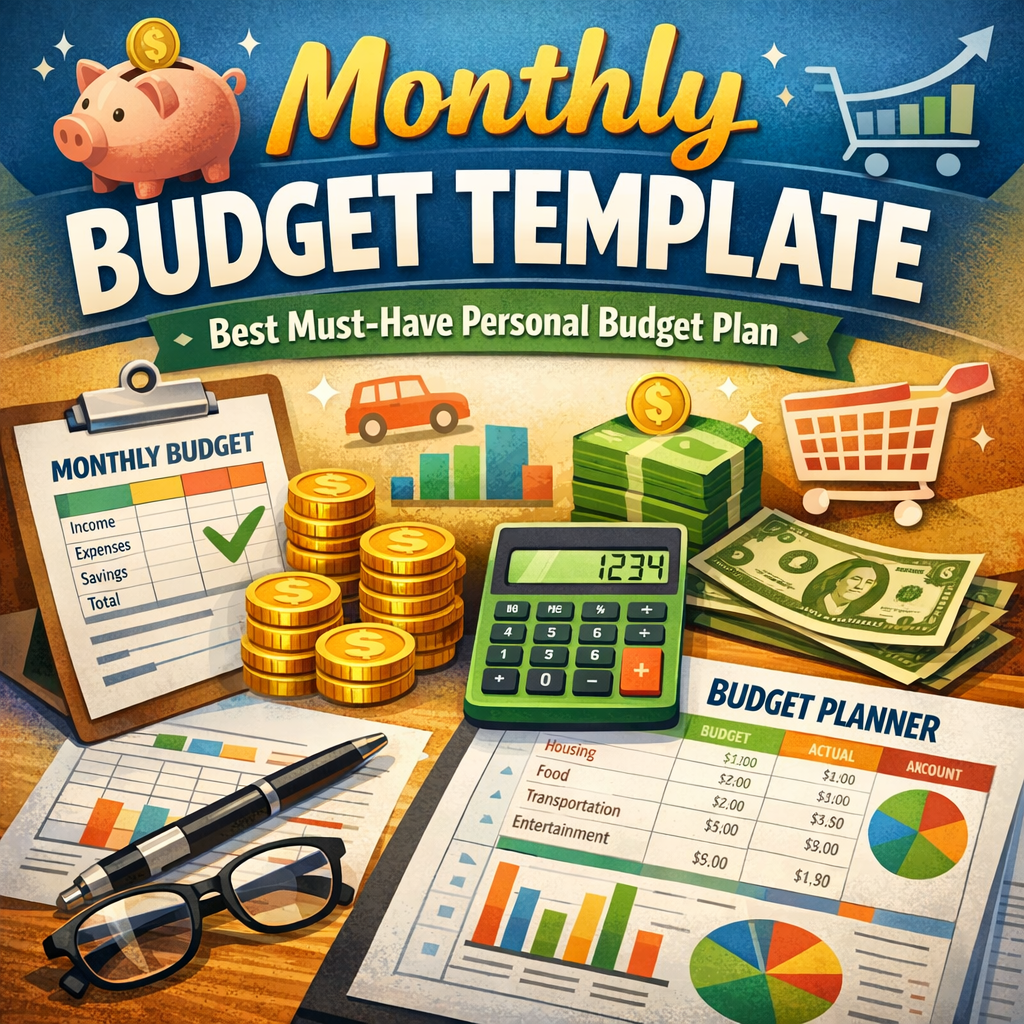
Monthly budget template systems give your money a job before the month begins, which is why they are one of the simplest and most effective tools for taking control of your finances. Whether you want to stop overspending, save for a goal, or simply understand where your income goes each month, a clear budget can make everyday money decisions easier. The best part is that you do not need complicated software or accounting knowledge to get started. A simple, well-designed plan can help you build better habits and reduce financial stress.
Why a Monthly Budget Template Matters
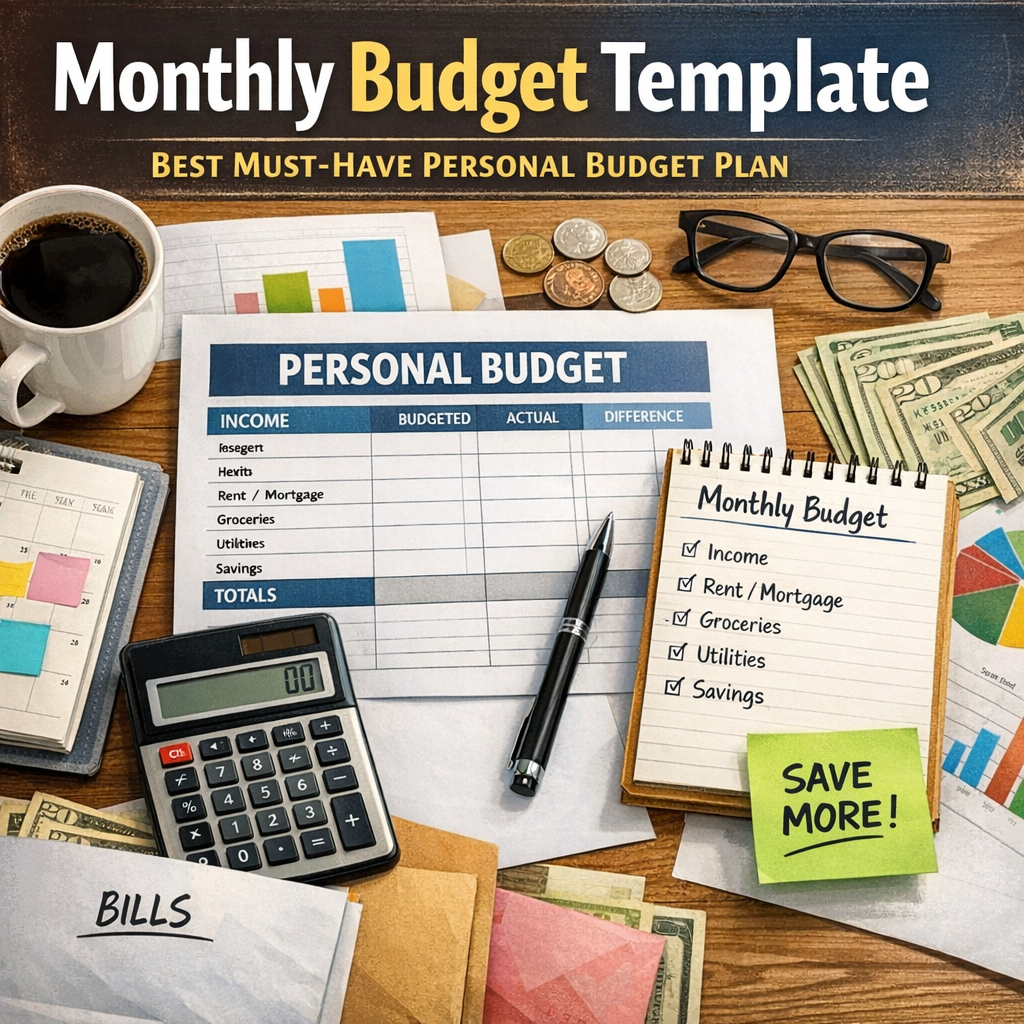
A budget is more than a spreadsheet full of numbers. It is a practical roadmap for your income, bills, savings, and lifestyle spending. Without a plan, it is easy to underestimate small purchases, forget occasional expenses, or spend money intended for future goals.
A strong budget template helps you:
– Track income and expenses in one place
– Set realistic limits for spending categories
– Plan ahead for recurring bills
– Build savings consistently
– Identify habits that may be hurting your finances
– Reduce the anxiety that comes from guessing
When you use a monthly spending plan, you are not restricting yourself for the sake of restriction. You are making intentional choices with your money so that your priorities come first.
What Makes a Good Personal Budget Plan
The best budget is one you will actually use month after month. That means it should be simple enough to maintain, flexible enough to adapt, and detailed enough to show the full picture of your finances.
A useful personal budget template should include:
1. Monthly Income
Start with all income sources you expect to receive during the month. This may include:
– Salary or wages
– Freelance or side hustle income
– Rental income
– Benefits or support payments
– Other regular earnings
Use your net income if possible, since that reflects what you actually take home after taxes and deductions.
2. Fixed Expenses
These are bills that stay mostly the same each month. Examples include:
– Rent or mortgage
– Car payment
– Insurance
– Internet
– Loan payments
– Subscriptions
Fixed expenses are the easiest to plan for, so list them clearly and assign due dates if needed.
3. Variable Expenses
These costs change from month to month, which makes them important to monitor. Common categories include:
– Groceries
– Gas
– Dining out
– Entertainment
– Utilities
– Shopping
– Personal care
This is where many people discover their biggest opportunities to improve spending habits.
4. Savings and Financial Goals
Your savings should be treated like a regular expense, not an afterthought. Include categories such as:
– Emergency fund
– Retirement
– Vacation fund
– Home down payment
– Holiday savings
– Debt payoff
Planning for these goals in advance makes it much easier to stay consistent.
5. Extra or Unexpected Costs
A smart budget template leaves room for things that do not happen every month but still matter, such as:
– Medical expenses
– Car repairs
– Gifts
– School fees
– Annual memberships
Ignoring these expenses often leads to budget surprises.
How to Build a Monthly Spending Plan That Works
Creating a budget does not have to be complicated. Follow these basic steps to set up a plan you can maintain.
Step 1: Calculate Your Total Monthly Income
Add up every source of income you reasonably expect to receive during the month. If your income varies, use a conservative estimate based on your average lower month.
Step 2: List Your Essential Expenses
Write down all must-pay bills first. These should include housing, utilities, transportation, groceries, insurance, and minimum debt payments.
Step 3: Add Flexible Spending Categories
Next, decide how much you want to spend on non-essential but important lifestyle categories, such as dining out, hobbies, streaming services, and shopping.
Step 4: Assign Money to Savings
Before you spend on optional items, allocate money toward savings and goals. Even a small amount each month creates progress over time.
Step 5: Compare Income to Total Planned Spending
If your expenses are higher than your income, adjust variable categories first. If you have money left over, direct it toward savings, debt reduction, or future planned expenses.
Step 6: Review Weekly
A budget works best when you check in often. Weekly reviews can help you catch overspending early and make small adjustments before the month gets off track.
Must-Have Sections in a Monthly Budget Template
If you are choosing or creating a monthly budget template, make sure it includes these key sections:
– Income summary
– Bills tracker
– Spending categories
– Savings goals
– Debt payments
– Remaining balance
– Notes or adjustments section
A template with these features gives you a complete financial snapshot without becoming overwhelming.
Common Budgeting Mistakes to Avoid
Even the best personal budget template can fall short if you make a few common mistakes.
Forgetting irregular expenses
Annual or occasional costs can disrupt your plan if you do not prepare for them.
Setting unrealistic limits
If your food or entertainment budget is too strict, you are more likely to give up. Be honest about your habits and adjust gradually.
Not tracking actual spending
Planning is only half of budgeting. You also need to compare your estimated numbers to what you really spent.
Giving every extra dollar a spending purpose
If you always spend what is left, savings will stay inconsistent. Assign leftover funds to goals.
Quitting after one bad month
A budget is a tool, not a test. If one month does not go as planned, revise and keep going.
Digital vs. Printable Budget Template Options
Some people prefer a spreadsheet they can update daily, while others stay more committed with a printable worksheet on the fridge or desk. There is no single right answer.
A digital budget template may be best if you:
– Like automatic calculations
– Want quick edits
– Prefer using apps or spreadsheets
A printable version may work better if you:
– Like writing things by hand
– Want a visible reminder
– Find physical planning more motivating
Choose the format that fits your habits, not just what looks good.
Final Thoughts
A reliable monthly spending plan can help you make smarter choices, reduce money stress, and stay focused on your goals. The most effective approach is not the most complicated one. It is the one that matches your real life, accounts for both essentials and extras, and gives you a clear picture of where your money is going.
By using a practical monthly budget template, you can create structure without feeling restricted. Start simple, review it regularly, and improve it as your financial needs change. Over time, that small habit can lead to stronger savings, better spending decisions, and greater confidence in your personal finances.