
- Why a Money Management App Matters
- Features to Look for in a Personal Finance App
- 1. Expense Tracking
- 2. Budget Creation
- 3. Bill Reminders
- 4. Savings Goals
- 5. Account Integration
- 6. Reports and Insights
- 7. Security
- How a Money Tracker App Builds Better Habits
- Who Can Benefit Most From a Finance Manager App?
- Students and Young Professionals
- Families
- Freelancers and Gig Workers
- Anyone Paying Off Debt
- Common Mistakes to Avoid When Using a Personal Finance App
- Choosing the Right Money Management App for Your Needs
- Final Thoughts
Why a Money Management App Belongs in Every Budgeting Toolkit
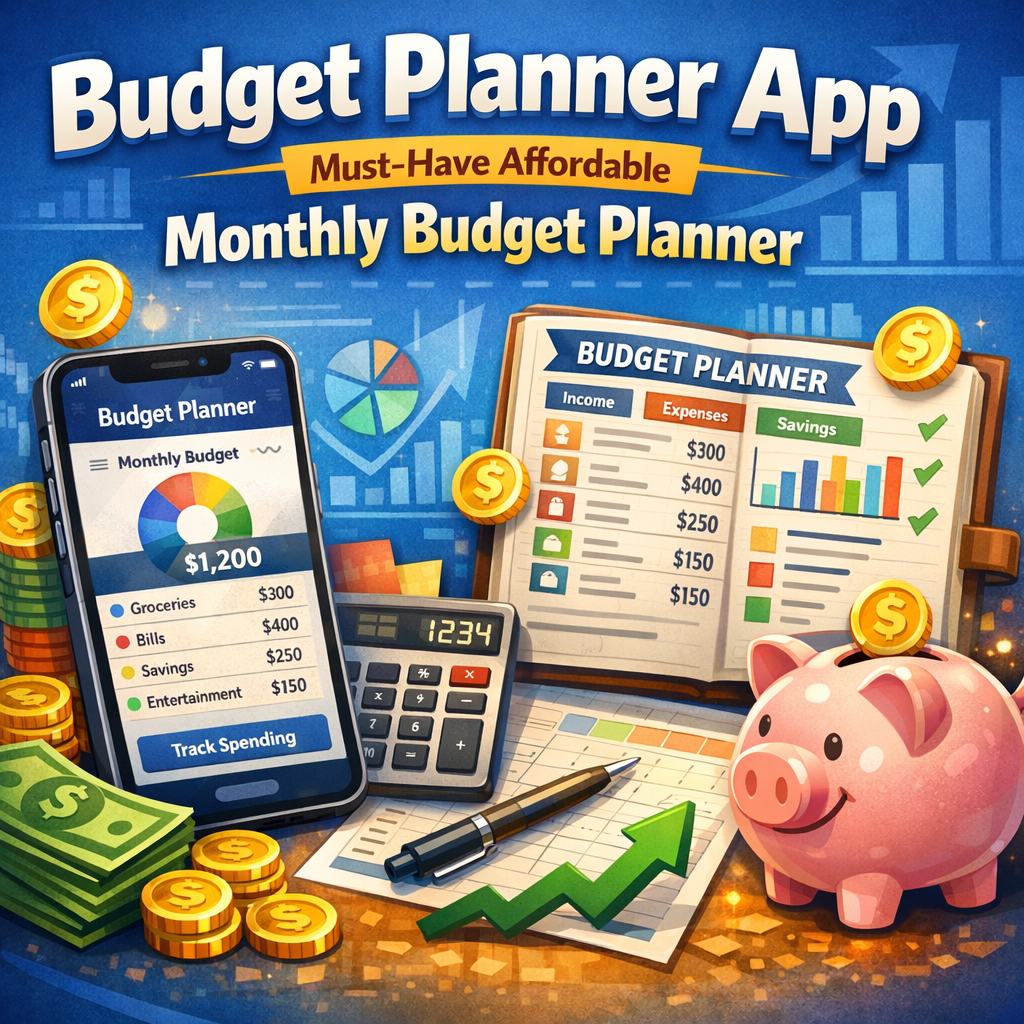
Money management app solutions have become one of the easiest ways to take control of daily spending, savings, and long-term financial goals. Instead of relying on handwritten notes, spreadsheets, or guesswork, people can now see where their money goes in real time. With the right tool, tracking expenses, setting budgets, and building better habits becomes much simpler and far more practical for everyday life.
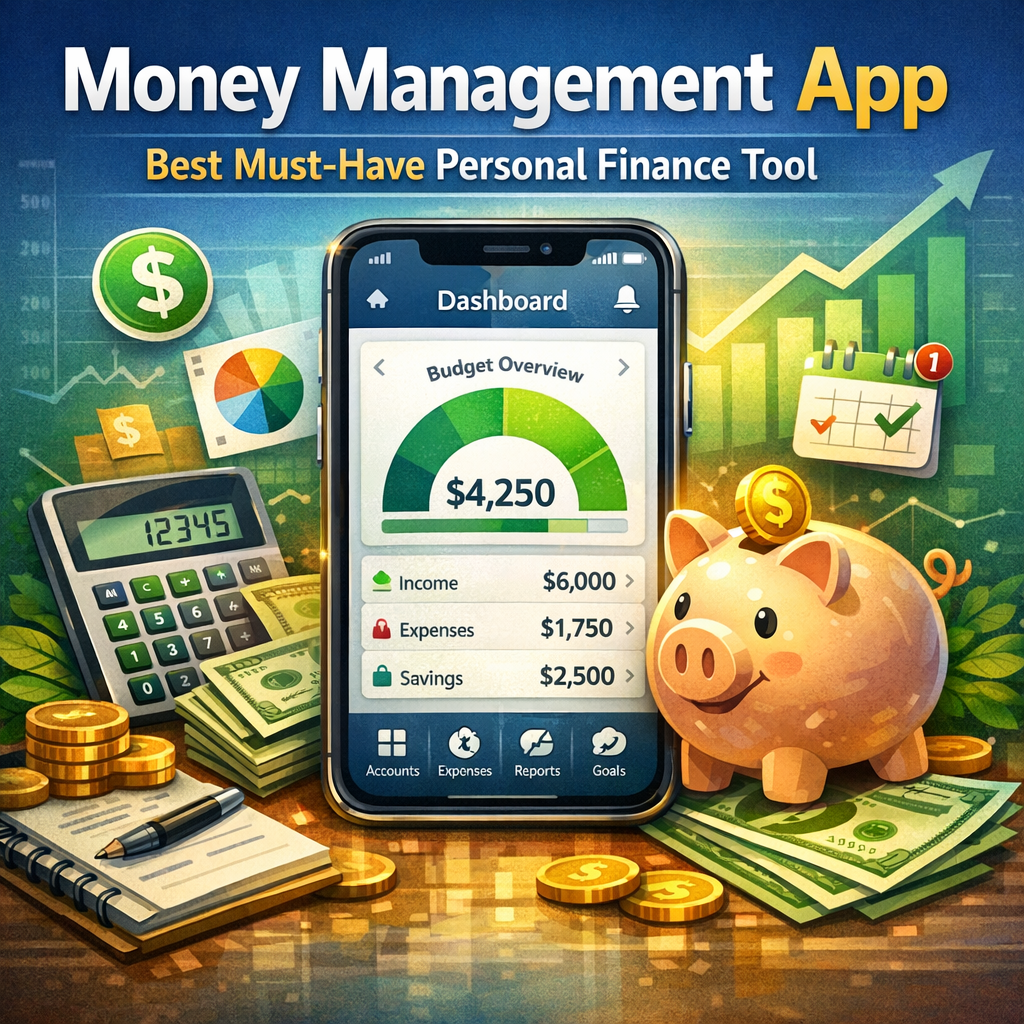
Managing personal finances used to feel overwhelming for many people. Bills arrived from different places, bank balances changed quickly, and small purchases often slipped through unnoticed. Today, a good personal finance app can bring all of that information into one organized dashboard. Whether someone wants to save for a vacation, pay down debt, or simply stop overspending, these apps provide the clarity needed to make smarter decisions.
Why a Money Management App Matters
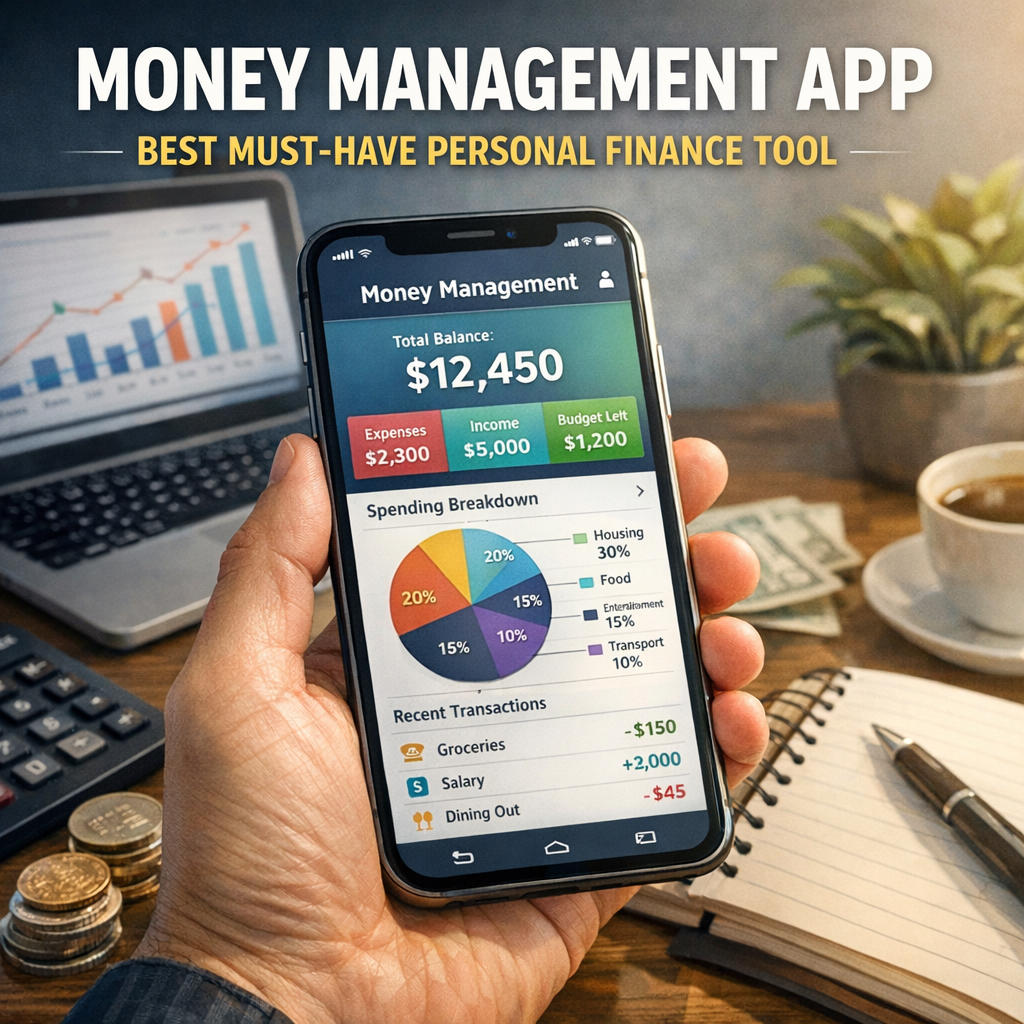
A money management app does more than just record transactions. It helps users understand financial behavior. Many people know they should budget, but they struggle to maintain one consistently. Apps make the process easier by automating parts of the work, such as categorizing expenses, sending payment reminders, and tracking progress toward savings goals.
One of the biggest advantages is visibility. When users can instantly see how much they spend on groceries, dining out, subscriptions, and transportation, patterns become obvious. This awareness often leads to better choices. Small changes, like cutting unused subscriptions or reducing impulse purchases, can add up quickly over time.
Another important benefit is convenience. Since most people already use their phones throughout the day, having a finance manager app on hand means finances are always accessible. Instead of waiting until the end of the month to review spending, users can check updates anytime and make adjustments before problems grow.
Features to Look for in a Personal Finance App
Not every personal finance app offers the same tools, so it is important to know what features matter most. The best apps usually focus on usability, accuracy, and actionable insights.
Here are some key features to consider:
1. Expense Tracking
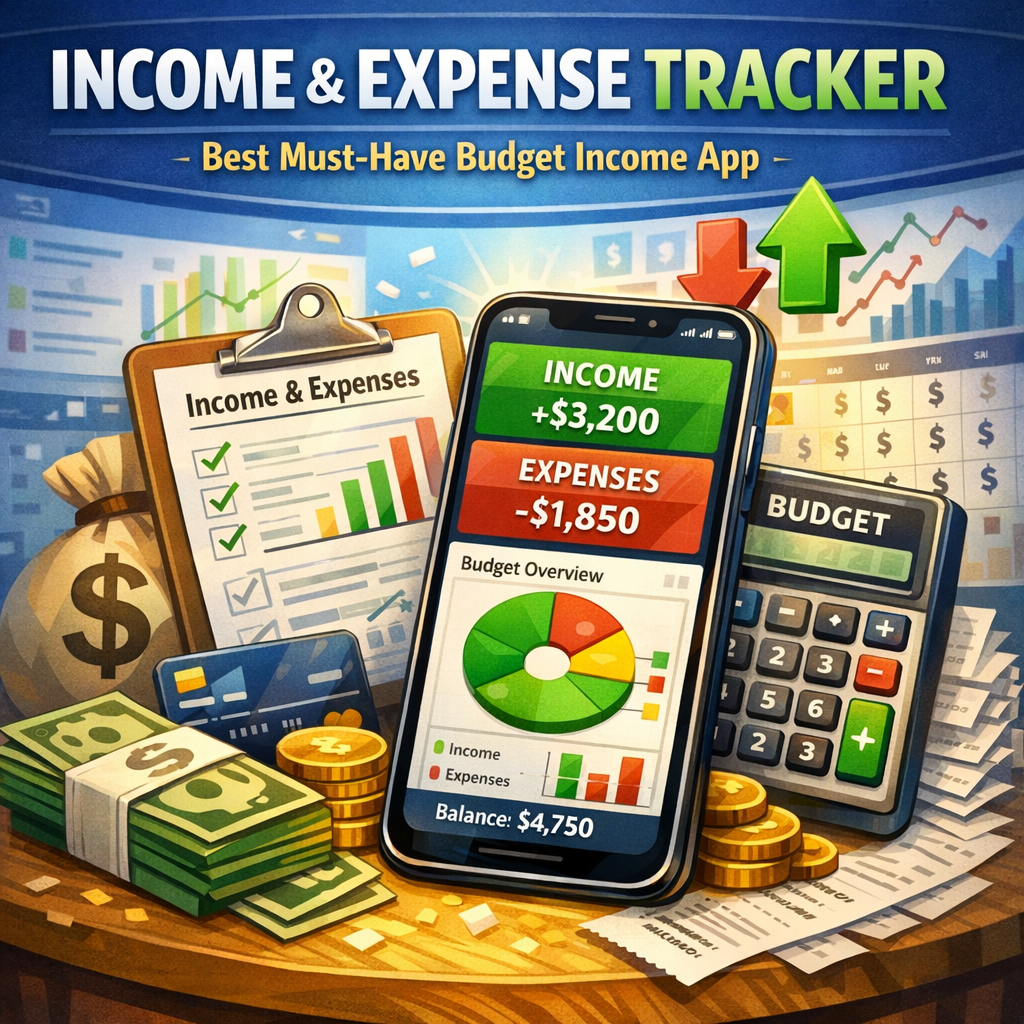
A reliable money tracker app should automatically record and categorize transactions. This saves time and reduces the risk of missed expenses. Categories like food, rent, entertainment, and utilities help users understand spending patterns.
2. Budget Creation
Strong budgeting tools allow users to set monthly spending limits for different categories. A useful app should also alert users when they are close to exceeding those limits.
3. Bill Reminders
Late fees can damage a budget quickly. Many apps include reminders for recurring bills, helping users stay on top of payments and avoid unnecessary charges.
4. Savings Goals
Saving becomes easier when goals are visible. Whether the target is an emergency fund, a new car, or a holiday trip, good apps let users create goals and monitor progress.
5. Account Integration
A top-quality finance manager app often connects with bank accounts, credit cards, and digital wallets. This creates a more complete and accurate financial picture without manual entry.
6. Reports and Insights
Charts, graphs, and monthly summaries can help users understand trends. Visual data is often much easier to interpret than a list of numbers.
7. Security
Because financial data is sensitive, security should be a top priority. Look for apps with encryption, secure login methods, and strong privacy policies.
How a Money Tracker App Builds Better Habits
A money tracker app is not only useful for budgeting; it also supports long-term habit change. Financial improvement often comes from consistency rather than dramatic action. Tracking everyday spending encourages mindfulness. When users know every purchase is recorded, they are more likely to pause before making unnecessary decisions.
This kind of awareness can lead to healthier habits, such as:
– Reviewing transactions regularly
– Planning purchases in advance
– Sticking to spending limits
– Setting aside money each month
– Identifying emotional or impulsive spending
Over time, these small behaviors build a stronger financial foundation. People who regularly track their money often feel more confident because they know exactly where they stand.
Who Can Benefit Most From a Finance Manager App?
Almost anyone can benefit from using a finance manager app, but some groups may find it especially valuable.
Students and Young Professionals
Those just starting to manage their own expenses can use an app to learn budgeting basics. It helps them build financial discipline early, which can make a big difference later in life.
Families
Households with multiple expenses often need a clear system to manage bills, groceries, childcare, savings, and entertainment. A shared overview can reduce confusion and improve planning.
Freelancers and Gig Workers
People with irregular income need extra flexibility. A good app can help track earnings, monitor tax-related expenses, and manage cash flow during slower months.
Anyone Paying Off Debt
For users focused on reducing debt, detailed tracking can reveal where extra money can be redirected. Seeing progress month by month can also boost motivation.
Common Mistakes to Avoid When Using a Personal Finance App
Even the best personal finance app cannot solve money issues automatically. Users still need to stay engaged. One common mistake is downloading an app but rarely checking it. Consistency is essential. Reviewing accounts and spending at least a few times a week keeps the information useful.
Another mistake is setting unrealistic budgets. If spending limits are too strict, they are harder to maintain. It is usually better to create practical budgets that reflect real habits, then improve them gradually.
Some users also ignore small expenses, assuming they do not matter. In reality, repeated low-cost purchases can significantly affect monthly totals. Tracking everything gives a more accurate picture.
Finally, security should never be overlooked. People should choose trusted apps, use strong passwords, and enable extra login protection whenever available.
Choosing the Right Money Management App for Your Needs
The ideal money management app depends on personal goals and lifestyle. Someone focused on debt reduction may want detailed budgeting and payoff tools, while another person may prioritize investment tracking or family expense sharing. Simplicity matters too. An app with too many features can feel overwhelming if the user only needs basic expense tracking.
Before choosing, it helps to ask:
– Do I want automated transaction syncing?
– Do I need shared budgeting with a partner or family?
– Am I mainly focused on saving, budgeting, or debt payoff?
– Is the app easy to use every day?
– Does it offer strong privacy and security?
Trying a few options can be worthwhile. The best tool is the one a person will actually use consistently.
Final Thoughts
A smart financial routine does not have to be complicated. With the right money tracker app or finance manager app, people can gain a clearer view of their money, reduce stress, and make better decisions over time. These tools bring structure to everyday finances and turn vague goals into practical action.
When used consistently, a personal finance app can become much more than a budgeting tool. It can serve as a daily guide for spending wisely, saving regularly, and building a more secure future.